Need help with booking? Send us a message.
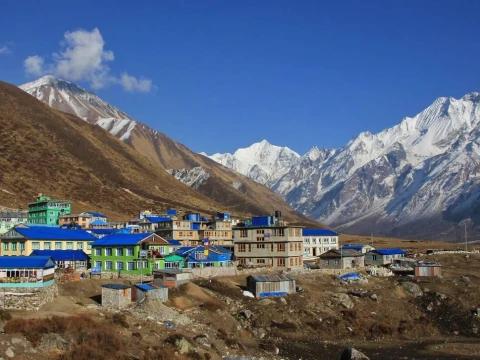
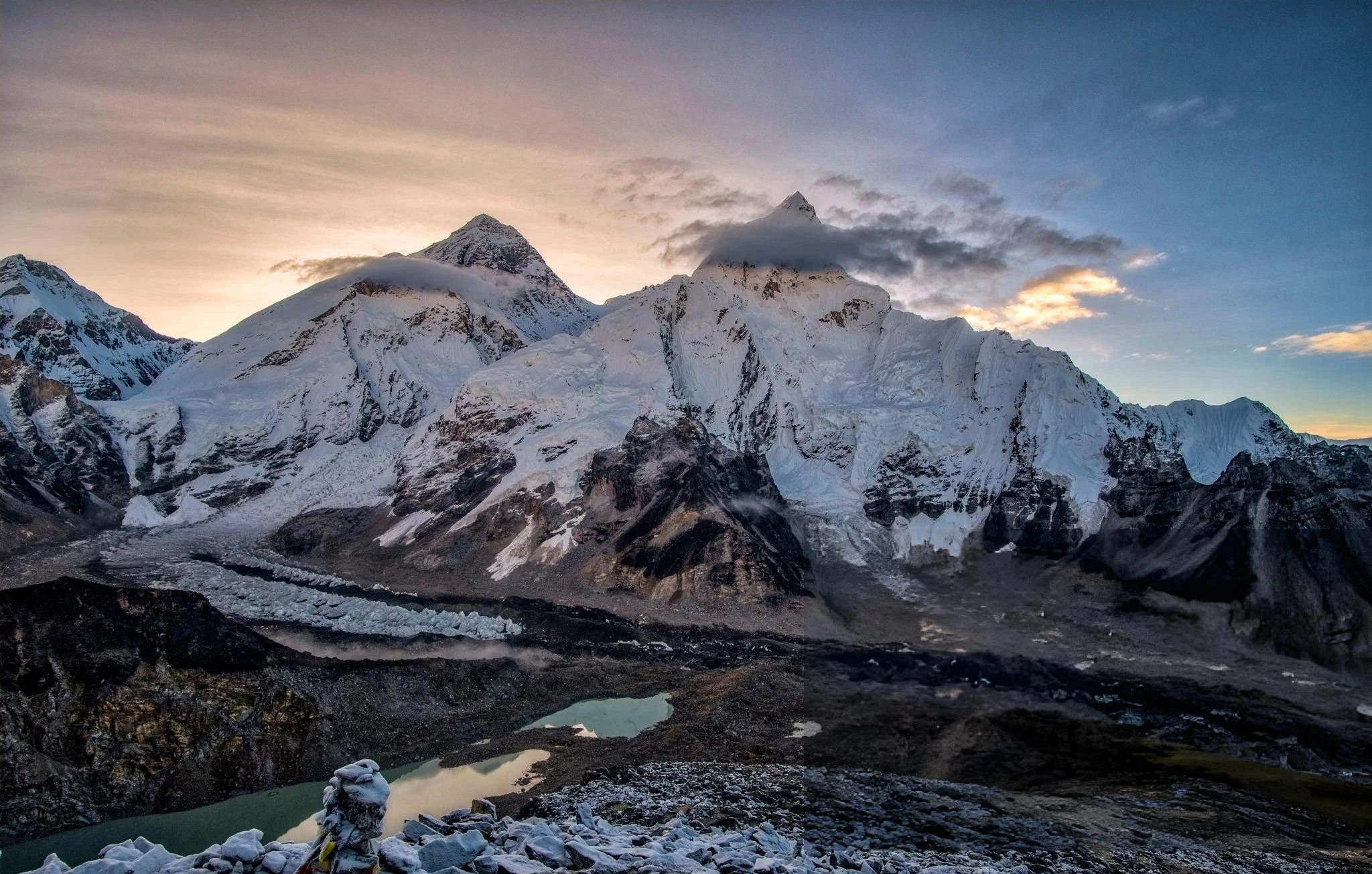
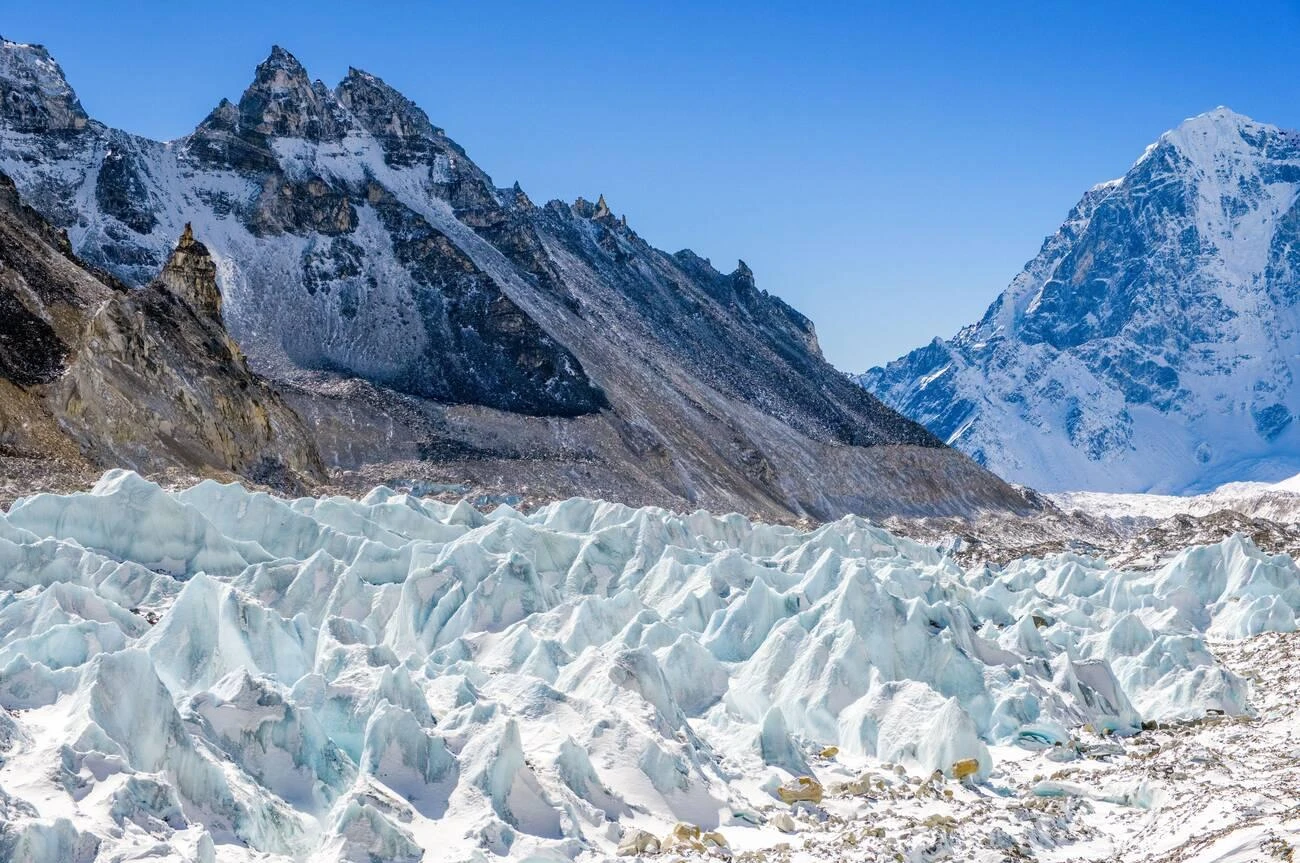
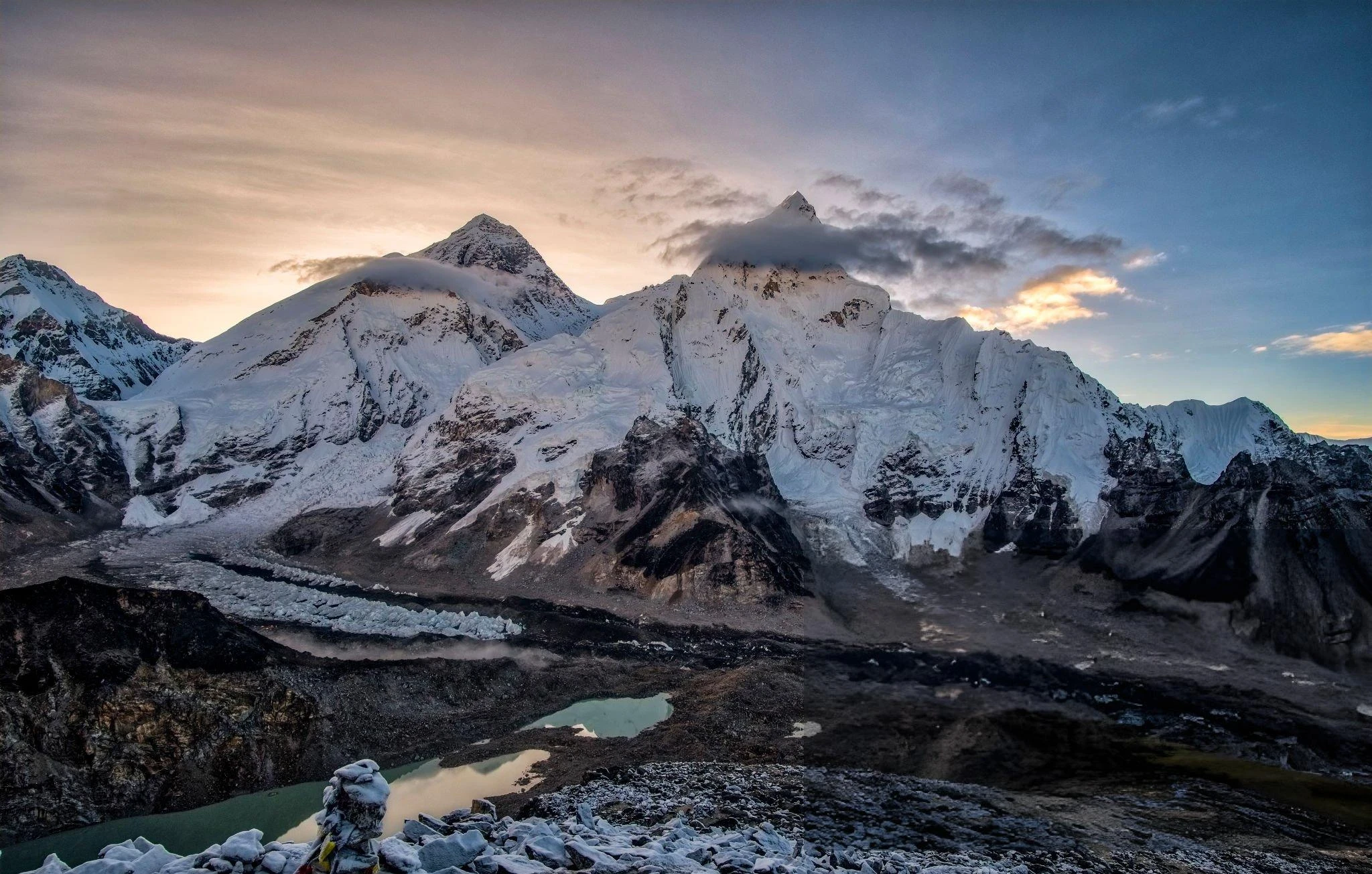
The Everest Base Camp Trek, offered by Across Nepal Holidays, is one of the most iconic treks in the world. It takes you deep into the heart of the Himalayas, offering panoramic views of the world’s tallest peaks, including Mount Everest (8,848 m), Lhotse, Nuptse, and Ama Dablam. This trek combines natural beauty, cultural experiences, and adventure, making it an unforgettable journey. Along the way, trekkers traverse diverse landscapes ranging from lush forests and traditional Sherpa villages to high-altitude deserts and glacial terrain.
The trek typically starts with a flight to Lukla, the gateway to the Everest region, followed by a gradual ascent through picturesque villages like Phakding, Namche Bazaar, Tengboche, Dingboche, and Lobuche before reaching the base camp. Trekkers also have the opportunity to hike to Kala Patthar, a viewpoint offering stunning sunrise views over Mount Everest. This trek is not only a physical challenge but also an immersive cultural experience, where trekkers can interact with the Sherpa community, visit monasteries, and witness traditional Himalayan lifestyles.
The best time to trek to Everest Base Camp is during the pre-monsoon (spring) and post-monsoon (autumn) seasons. Spring (March to May) is ideal for those who want to witness blooming rhododendrons and clear mountain vistas. The weather is generally stable, and temperatures are moderate, making trekking comfortable. Autumn (late September to November) offers crystal-clear skies and excellent photographic opportunities, with views of Everest and surrounding peaks at their most majestic.
Winter (December to February) can be harsh with sub-zero temperatures and heavy snow, making trekking more challenging but less crowded. Summer (June to August) coincides with the monsoon season, bringing rain, slippery trails, and the risk of landslides, so it is generally not recommended. Choosing the right season is crucial for safety, visibility, and an overall enjoyable trekking experience.
Seasonal Highlights:
The Everest Base Camp Trek is considered a moderate to strenuous trek, requiring a good level of fitness. While no technical climbing skills are needed, trekkers should be prepared for long days of walking at high altitudes, variable weather conditions, and steep ascents and descents. Acclimatization days in Namche Bazaar and Dingboche are critical to reduce the risk of altitude sickness. Trekking poles, proper boots, and layered clothing are highly recommended.
Transportation to the Everest region is straightforward but adventurous. Most itineraries begin with a domestic flight from Kathmandu to Lukla, a 35-minute flight renowned for its thrilling approach and stunning mountain views. From Lukla, trekking is the only way to reach EBC. For return journeys, trekkers often fly back from Lukla to Kathmandu, saving several days compared to walking back.
Key Points:
During the trek, accommodation is primarily in tea houses and lodges, which provide basic but comfortable rooms with shared or private bathrooms. The facilities improve as you approach lower altitudes, while higher camps offer more rustic conditions. Despite the simplicity, most lodges maintain cleanliness and provide warm meals, hot showers (for a fee), and cozy bedding to help trekkers recover after long days of walking.
Food on the trail includes local Nepalese dishes such as dal bhat (rice and lentils), momo (dumplings), noodles, soups, and pasta. Western dishes are also widely available. Staying well-hydrated and consuming high-energy foods is essential to maintain stamina and prevent altitude sickness. Across Nepal Holidays ensures that trekkers have guidance on meals and access to clean water through purification methods.
Essentials for Food and Accommodation:
Trekking to Everest Base Camp requires several permits, which Across Nepal Holidays helps arrange to ensure a smooth journey. The main permits include:
TIMS Card (Trekkers’ Information Management System) – mandatory for all trekkers in the Everest region.
Sagarmatha National Park Permit – required for entry into the park, which includes EBC and surrounding regions.
These permits help the Nepalese government manage trekking, maintain safety, and conserve the natural environment. Carrying these permits is essential, as you may be checked at multiple points along the route. The permits also contribute to supporting local communities and infrastructure in the Everest region.
Permit Highlights:
Choosing Across Nepal Holidays for your Everest Base Camp adventure ensures a safe, enjoyable, and well-organized experience. The company provides experienced guides, porters, and support staff who are familiar with the terrain, altitude challenges, and local culture. Their itineraries are thoughtfully designed to balance trekking with acclimatization, ensuring safety and comfort.
Across Nepal Holidays also focuses on responsible tourism by supporting local communities, respecting cultural traditions, and minimizing environmental impact. With personalized service, detailed pre-trek briefings, and reliable logistics, trekkers can focus entirely on enjoying the journey rather than worrying about arrangements. Whether it’s your first trek in the Himalayas or a bucket-list adventure, the team’s expertise makes it a memorable and seamless experience.
Reasons to Choose Across Nepal Holidays:
Trekking
This trek offers an incredible combination of natural beauty, cultural immersion, and adventure. Trekkers gradually ascend through picturesque villages, lush forests, and alpine landscapes, ultimately reaching the iconic Everest Base Camp and the breathtaking viewpoint of Kala Patthar.
Location
Explore the spectacular Khumbu-Everest region in Far North Mid-East Nepal, home to the world’s highest peaks and vibrant Sherpa culture. The route passes through historic Sherpa settlements, monasteries, and rugged Himalayan landscapes, offering a unique glimpse into life in high-altitude Nepal.
Key Elevations & Viewpoints
Cultural Insights
Optimal Seasons
Accessibility: Trekking is possible year-round except during the monsoon (mid-June to mid-September).
Best Seasons:
Essential Tips
Trekking Permits
Key Viewplaces & Area Highlights
With proper preparation, respect for local culture, and attention to acclimatization, the Everest Base Camp Trek promises a once-in-a-lifetime Himalayan adventure. Trekkers will enjoy awe-inspiring vistas, the warm hospitality of the Sherpa people, and the ultimate thrill of standing at the foot of Mount Everest.
The Everest Base Camp Trek with Across Nepal Holidays is a thrilling 14-day adventure through the heart of the Himalayas. Beginning with a flight to Lukla, trekkers pass scenic villages, suspension bridges, and lush forests before reaching Namche Bazaar and the high-altitude Khumbu region. The journey includes acclimatization days in Namche and Dingboche, hikes to Tengboche Monastery, and stunning viewpoints like Kala Patthar. The trek’s highlight is reaching Everest Base Camp, followed by a descent back to Lukla and a return flight to Kathmandu. It combines breathtaking scenery, Sherpa culture, and a once-in-a-lifetime Himalayan experience.
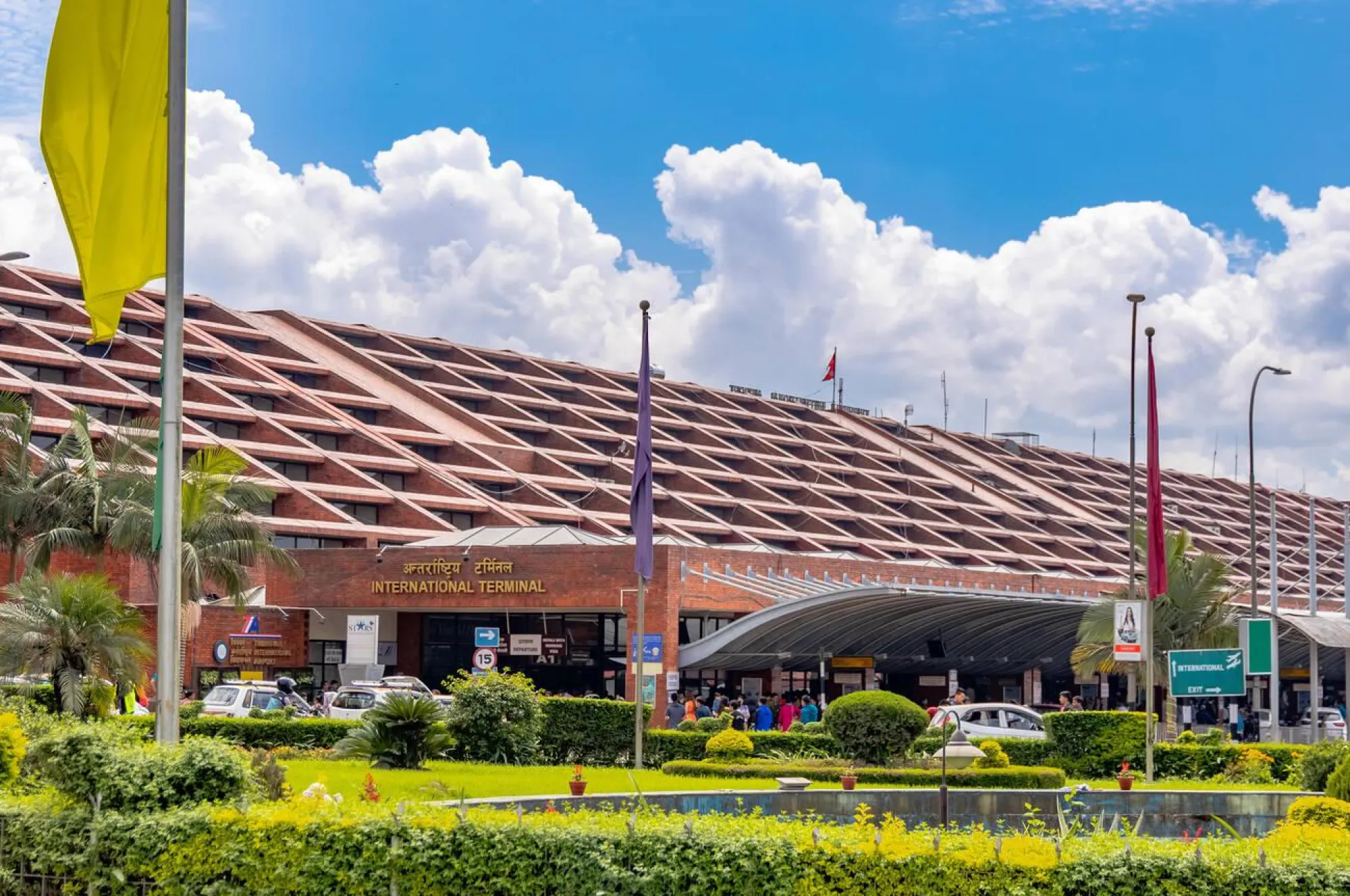
Upon arrival at Tribhuvan International Airport in Kathmandu, you will be warmly welcomed by the team from Across Nepal Holidays and transferred to your hotel. Today is dedicated to resting and acclimatizing to the city’s altitude and bustling atmosphere. You can enjoy the comfort of your hotel, take a short walk around Thamel, and witness the local shops, cafés, and markets. Our representative will brief you on the trek, confirm all permits, and answer any questions, ensuring you feel fully prepared for the journey ahead.
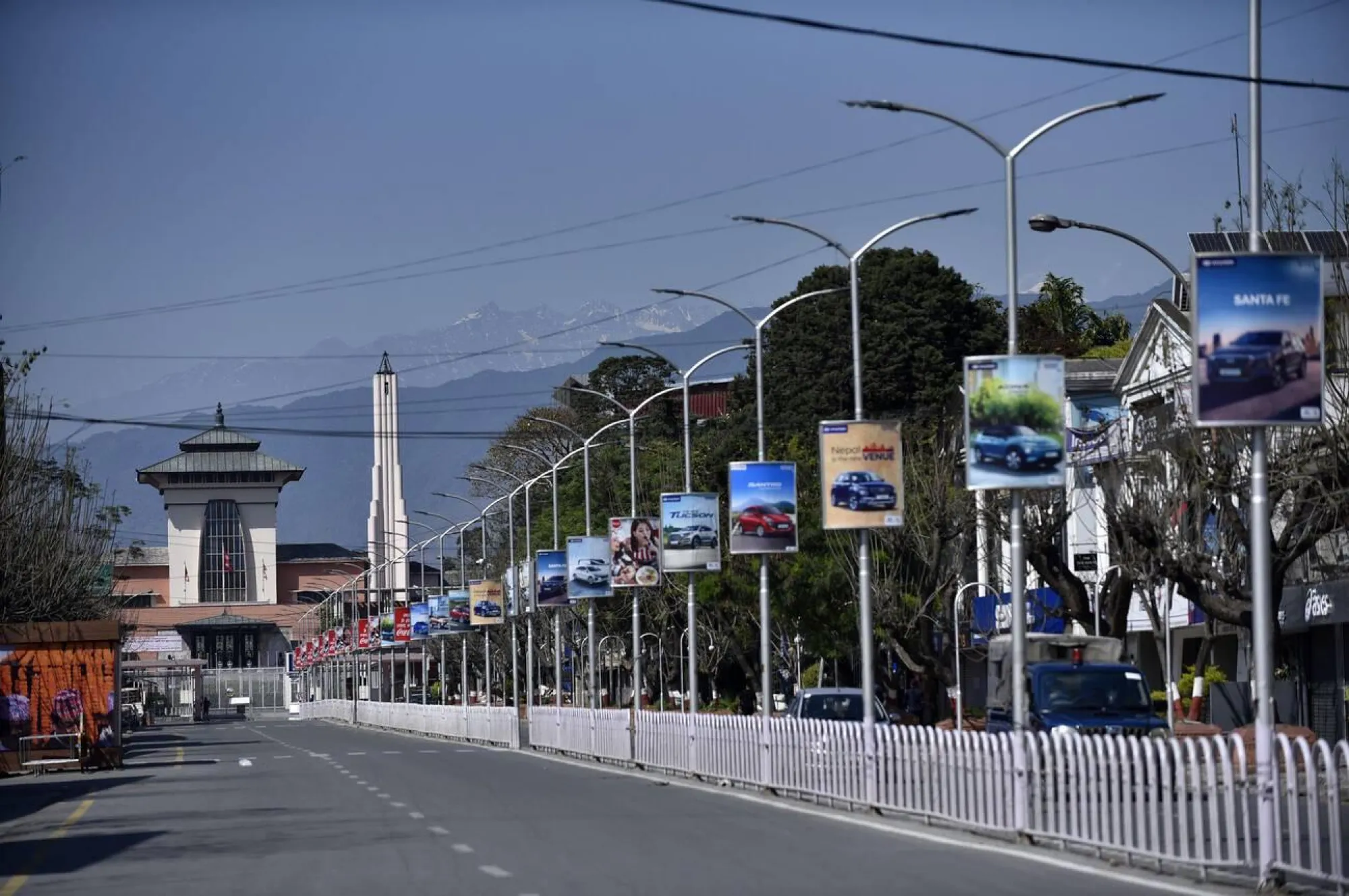
 Max. altitude 1,398m / 4,587ft.
  Accommodation Hotel
  Meals Welcome Dinner
 Today, you will explore Kathmandu’s rich cultural heritage with a guided tour. Visit UNESCO World Heritage Sites like Swayambhunath Stupa (Monkey Temple), Boudhanath Stupa, and Pashupatinath Temple, soaking in the spiritual and historical significance of each location. After sightseeing, you will return to Thamel for final trek preparations, including checking your gear and packing essentials. Our team from Across Nepal Holidays will provide advice on altitude precautions, trekking tips, and distribute trekking permits. In the evening, enjoy a traditional Nepali dinner and rest well for your adventure.
Max. altitude 1,400m / 4,593ft. Accommodation Hotel Meals Breakfast After an early breakfast, you will take a scenic flight from Kathmandu to Lukla, often described as one of the world’s most thrilling airstrips. From Lukla, the trek begins along the Dudh Koshi River, passing through pine forests and small villages. The first day of trekking is gentle, allowing your body to adjust to the increasing altitude. You will reach Phakding, a charming village nestled by the river, where you can enjoy your first night in a teahouse surrounded by the serene Himalayan scenery.
Max. altitude 2,610m / 8,563ft. Accommodation Tea House / Lodge Meals Breakfast, Lunch and Dinner The trek today takes you through beautiful forests and across suspension bridges over the roaring Dudh Koshi River. The path gradually climbs towards Namche Bazaar, the bustling Sherpa town and gateway to the high Himalayas. Along the way, you may spot Himalayan wildlife such as musk deer or colorful birds. After reaching Namche Bazaar, explore its lively markets and cafés, and take in breathtaking views of Thamserku and Kongde Ri peaks. The altitude and trek make this a good day to go slow and stay hydrated, preparing your body for higher elevations.
Max. altitude 3,440m / 11,286ft. Accommodation Tea House / Lodge Meals Breakfast, Lunch and Dinner To help your body adjust to the higher altitude, today is dedicated to acclimatization in Namche Bazaar. You can take a short hike to the Everest View Hotel or nearby hills for panoramic views of Everest, Lhotse, and Ama Dablam. Visiting the local market and interacting with Sherpa families provides cultural insight into daily Himalayan life. This day is also ideal for resting, stretching, and monitoring for signs of altitude sickness. The combination of gentle trekking and sightseeing ensures a smoother journey as you continue to higher elevations with Across Nepal Holidays.
Max. altitude 3,440m / 11,286ft. Accommodation Tea House / Lodge Meals Breakfast, Lunch and Dinner From Namche Bazaar, the trail leads through rhododendron and pine forests, with views of Ama Dablam towering above. You will pass small villages and mani walls before reaching Tengboche, famous for its ancient monastery perched above the valley. Here, you can explore the monastery, observe Buddhist rituals, and enjoy stunning views of Everest, Lhotse, and Nuptse. The village is serene, with prayer flags fluttering in the wind, offering a spiritual experience alongside the physical challenge of trekking. Overnight stay is in a local teahouse, absorbing the Himalayan atmosphere.
Max. altitude 3,860m / 12,664ft. Accommodation Tea House / Lodge Meals Breakfast, Lunch and Dinner Today’s trek gradually ascends into the high Khumbu region. The path takes you past beautiful suspension bridges, small villages, and yak grazing areas, as the landscape becomes more barren and alpine. Upon reaching Dingboche, you will notice the spectacular views of Ama Dablam, Lhotse, and other surrounding peaks. Dingboche is at a higher altitude, so it’s important to take it slow and stay hydrated. Evening walks around the village allow you to acclimatize further while enjoying the peace and quiet of this high-altitude settlement.
Max. altitude 4,410m / 14,469ft. Accommodation Tea House / Lodge Meals Breakfast, Lunch and Dinner Another acclimatization day helps prevent altitude sickness and prepares you for the demanding trek ahead. You can hike to Nagarjun Hill for breathtaking views of Makalu and the surrounding peaks. Rest, enjoy hot meals, and chat with fellow trekkers in teahouses. This day provides a valuable opportunity to adjust to over 4,000 meters in altitude while soaking in the unique Himalayan landscape. The guidance and support from Across Nepal Holidays ensure that you pace yourself properly and stay safe while exploring the surrounding trails.
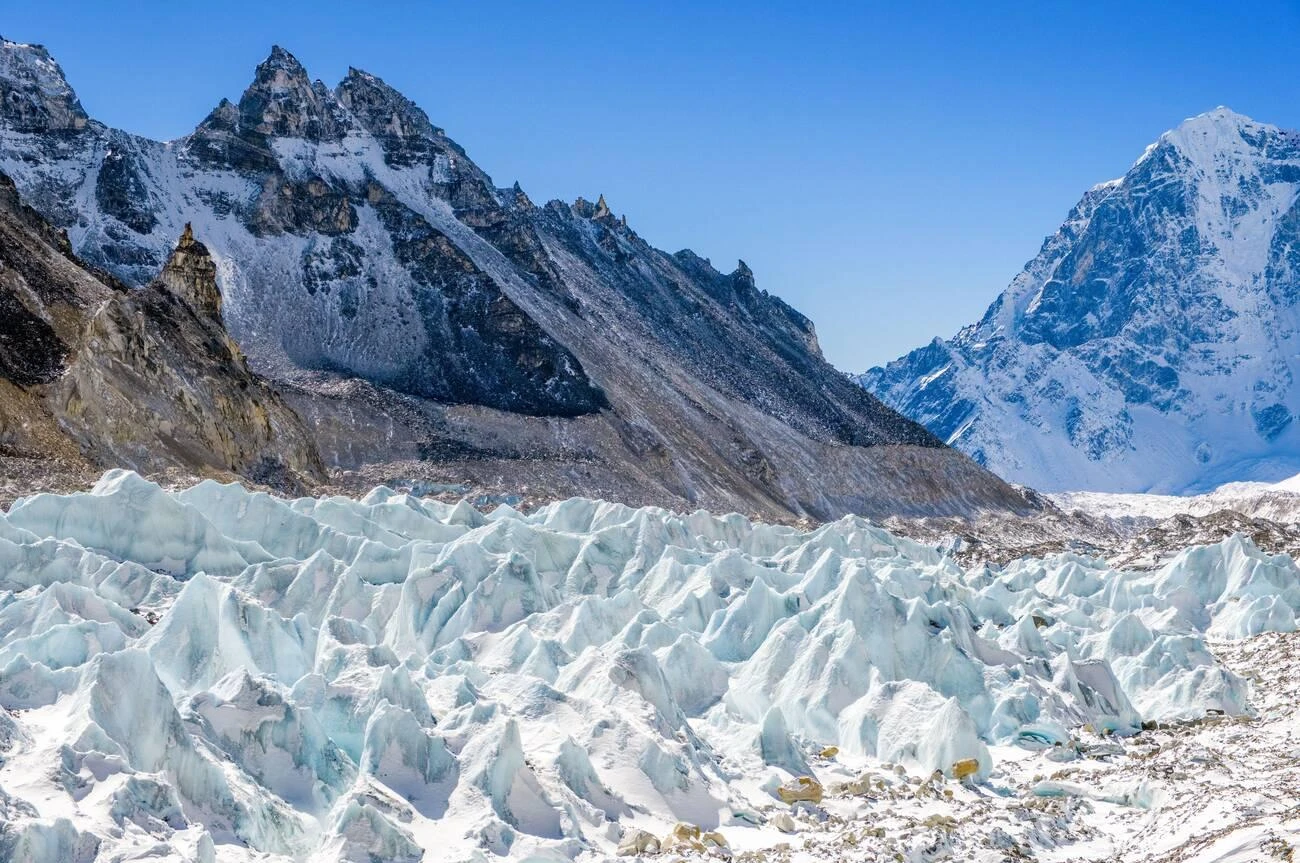
Max. altitude 4,410m / 14,469ft. Accommodation Tea House / Lodge Meals Breakfast, Lunch and Dinner The trek from Dingboche to Lobuche is moderately challenging as the landscape turns more rugged and rocky. You will pass memorials dedicated to climbers who lost their lives on Everest, adding a reflective aspect to the journey. Views of Pumori, Nuptse, and Khumbutse dominate the skyline. Overnight at a teahouse in Lobuche provides a cozy setting with breathtaking vistas. The trek demands focus and stamina, but the panoramic views and sense of achievement make it a rewarding experience with Across Nepal Holidays guiding you safely.
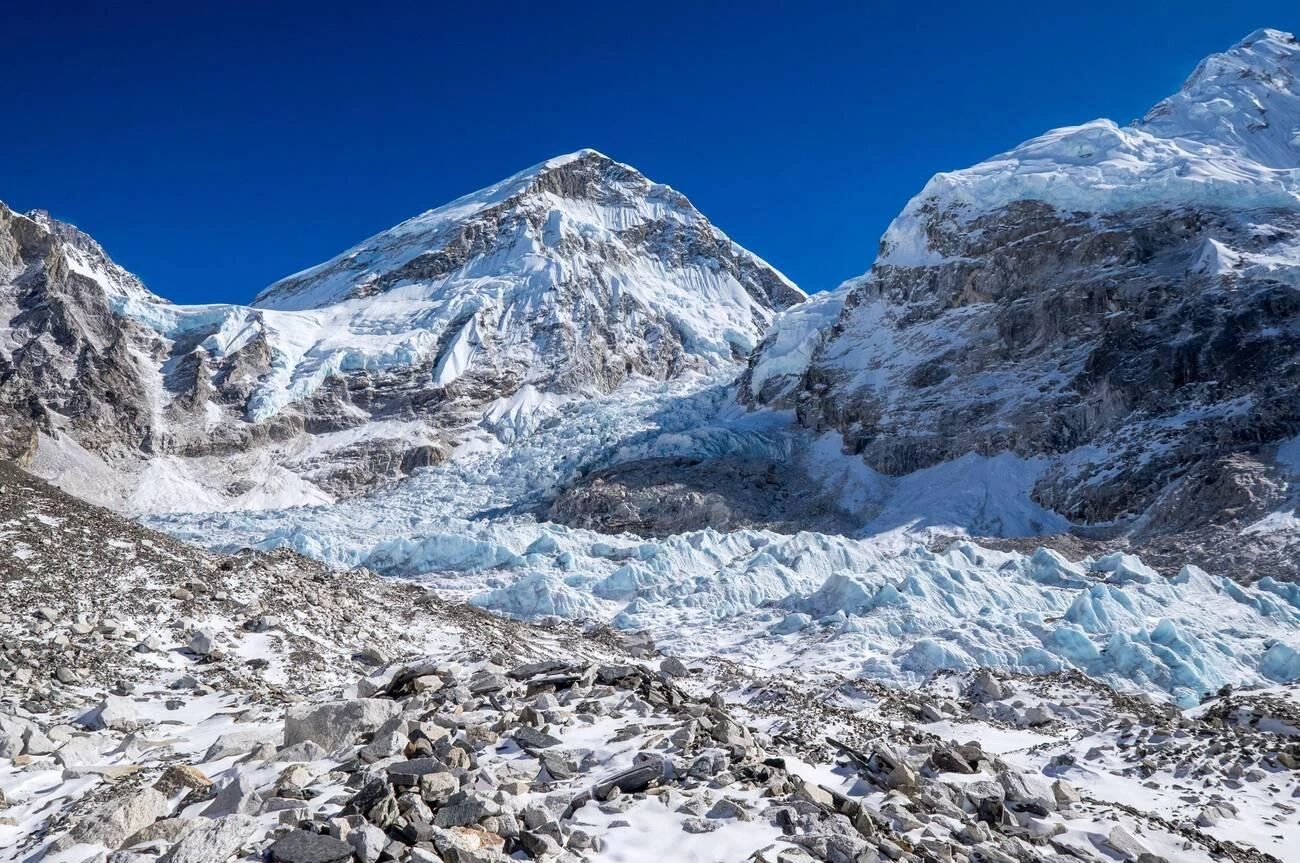
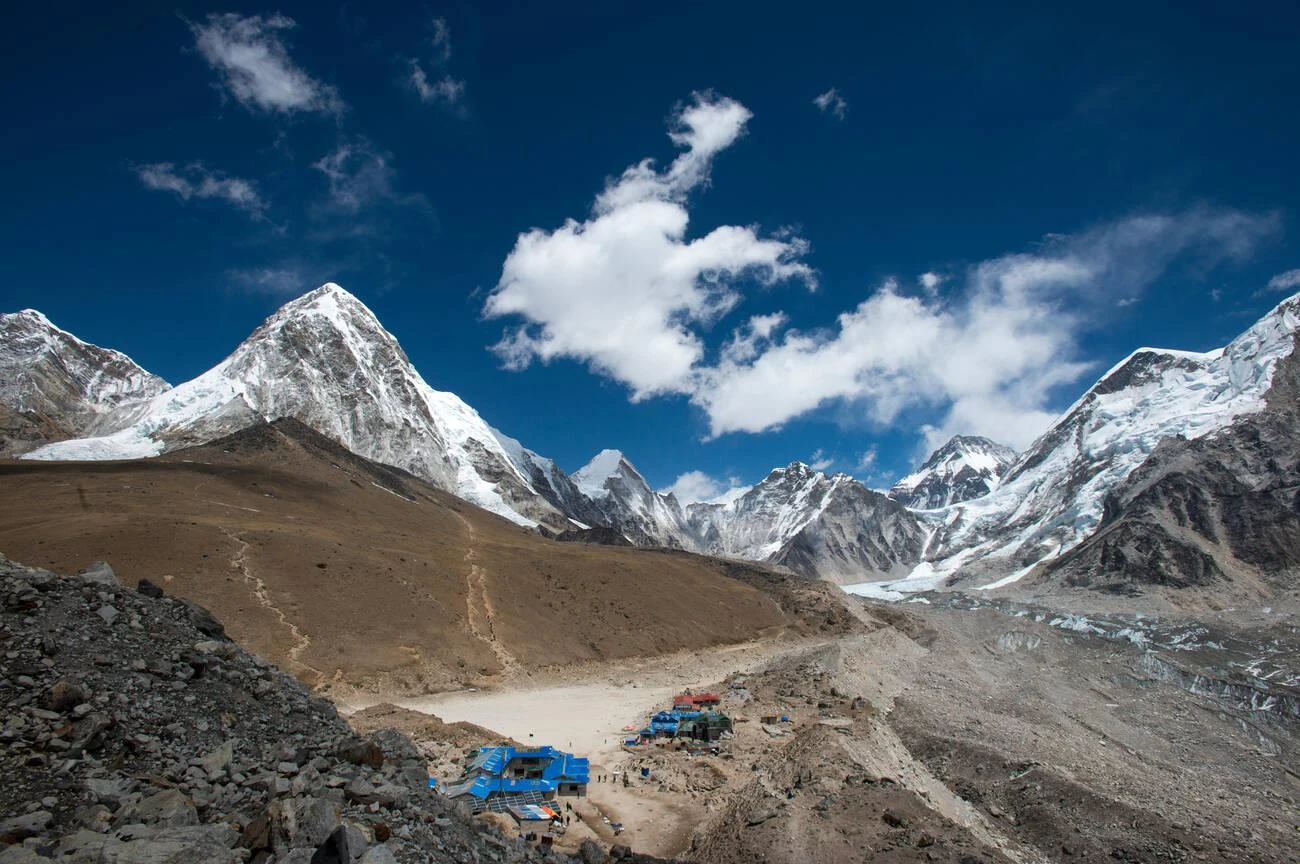
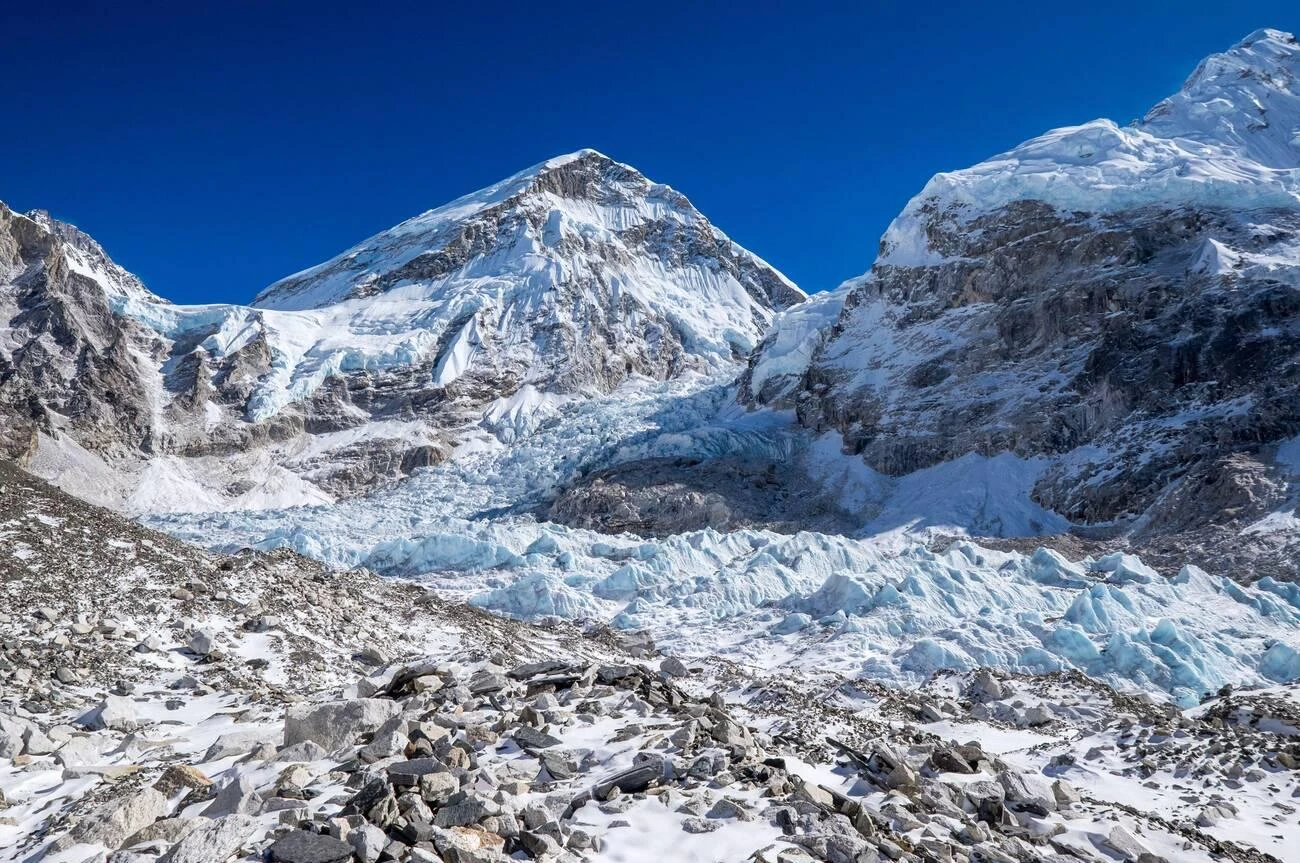
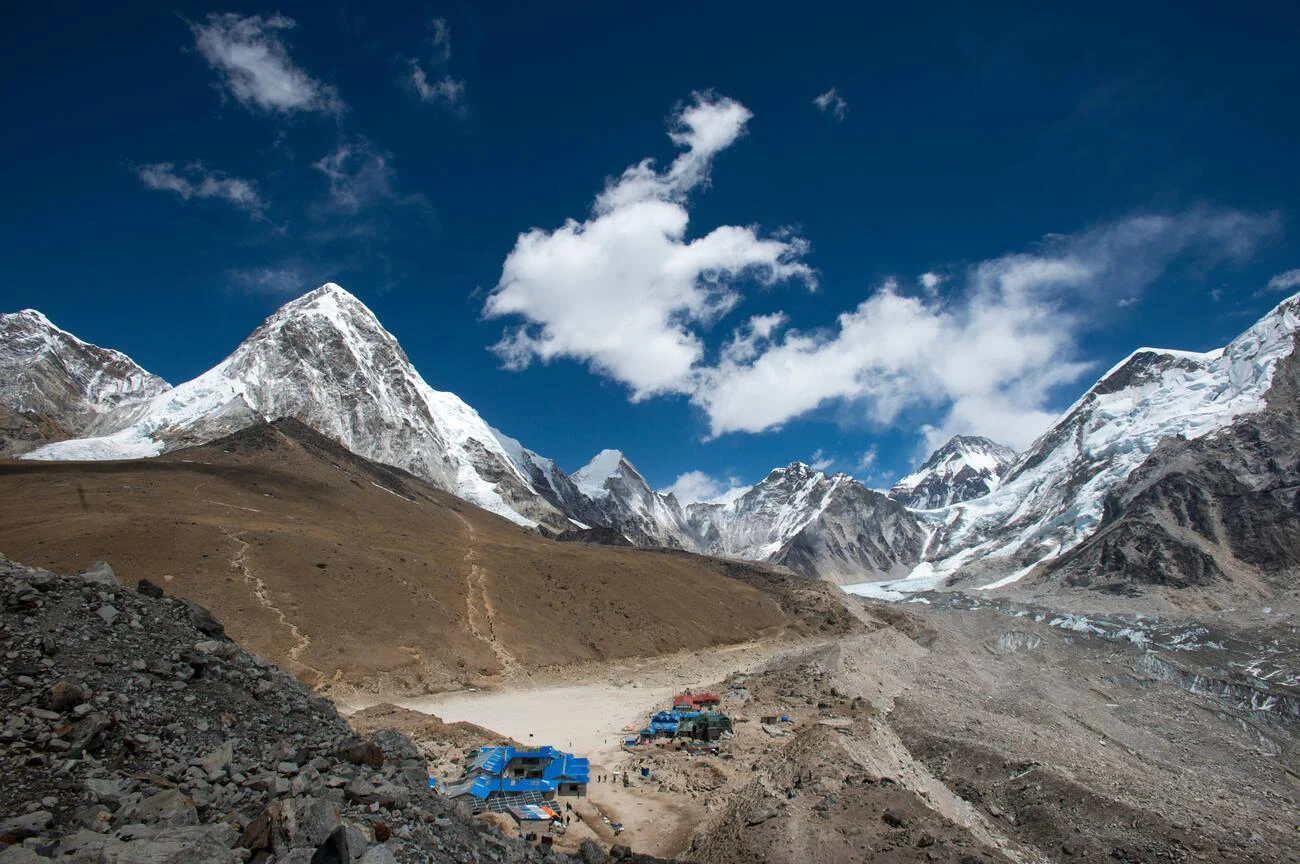
Max. altitude 4,940m / 16,207ft. Accommodation Tea House / Lodge Meals Breakfast, Lunch and Dinner Early morning, you will trek from Lobuche to Gorak Shep, the last stop before Everest Base Camp (EBC). From Gorak Shep, the final trek to EBC is both thrilling and emotional as you approach the world’s highest mountain. Spend time at Base Camp, capturing photos and soaking in the awe-inspiring views of glaciers and towering peaks. Return to Gorak Shep for overnight, reflecting on the achievement and camaraderie shared with fellow trekkers. This day is the highlight of your journey, a dream realized for all adventure enthusiasts.
Max. altitude 5,363m / 17,595ft. Accommodation Tea House / Lodge Meals Breakfast, Lunch and Dinner Before sunrise, hike up Kala Patthar for an unparalleled panoramic view of Everest, Lhotse, and Nuptse, ideal for breathtaking photography. After enjoying the summit, descend to Gorak Shep for breakfast, then trek down to Pheriche, retracing part of your ascent path. This day combines the exhilaration of achievement with the gradual descent that allows your body to adjust. Enjoy the scenic journey back through rhododendron forests and serene villages while reflecting on the trek’s highlights. Overnight stay is in a comfortable teahouse in Pheriche.
Max. altitude 4,371m / 14,341ft. Accommodation Tea House / Lodge Meals Breakfast, Lunch and Dinner Today’s trek is a long but rewarding descent from Pheriche to Namche Bazaar, retracing your earlier path. The downhill trek is easier on the lungs but still requires careful footing over rocky trails. Along the way, you can stop for tea, interact with locals, and marvel at the changing scenery from alpine terrain back to forested valleys. Reaching Namche Bazaar, you can revisit local markets, enjoy warm meals, and rest well, celebrating your successful trek with the team from Across Nepal Holidays.
Max. altitude 3,440m / 11,286ft. Accommodation Tea House / Lodge Meals Breakfast, Lunch and Dinner Descending from Namche Bazaar to Lukla marks the final day of trekking. The trail follows the Dudh Koshi River, passing familiar villages and bridges. It’s a reflective day, giving trekkers the chance to appreciate the journey, capture last-minute photos, and bid farewell to the Khumbu region. Arriving in Lukla, you can enjoy a celebratory meal, rest, and share stories with fellow trekkers. Overnight stay in Lukla prepares you for the flight back to Kathmandu.
Max. altitude 2,800m / 9,186ft. Accommodation Tea House / Lodge Meals Breakfast, Lunch and Dinner Take a scenic morning flight back to Kathmandu, witnessing the Himalayas from above one last time. Upon arrival, transfer to your hotel and spend the day relaxing or shopping for souvenirs in Thamel. This day allows you to rest after the trek and enjoy the city’s vibrant atmosphere. In the evening, Across Nepal Holidays hosts a farewell dinner, celebrating the completion of the Everest Base Camp adventure, sharing memories, photos, and highlights from your unforgettable Himalayan journey.
Max. altitude 1,400m / 4,593ft. Accommodation Hotel Meals Breakfast, Lunch and Dinner After breakfast, transfer to Tribhuvan International Airport for your final departure. Depending on your flight schedule, you may have time for a short stroll or last-minute shopping in Kathmandu. This is the time to reflect on the incredible journey, friendships made, and the personal achievement of trekking to Everest Base Camp. Across Nepal Holidays ensures a smooth departure and assistance with your onward travel, leaving you with lifelong memories and a deep connection to the majestic Himalayas.
Max. altitude 1,400m / 4,593ft. Accommodation NA Meals Breakfast Trekking Difficulty & Fitness
Altitude & Acclimatization
Tips to stay safe:
Weather Conditions
Weather in the Everest region can be unpredictable and change rapidly.
Best trekking seasons:
Monsoon (June–mid September): Heavy rainfall, slippery trails, not recommended.
Accommodation & Food
Trekking Permits
Gear Essentials
Cultural & Environmental Etiquette
Emergency & Safety Tips
Communication & Connectivity
Travel Insurance
The Everest Base Camp Trek is a life-changing adventure, but preparation is key. Understanding altitude challenges, weather, permits, cultural norms, and essential gear ensures a safe, enjoyable, and unforgettable journey through the Himalayas.
Your Start Date is the day you land in Nepal, and your End Date is when you fly home.
If the set Everest Base Camp Trek group dates don’t suit your schedule, we can offer alternative dates upon request.
Trekking to Everest Base Camp with Across Nepal Holidays was absolutely incredible. From the moment we landed in Kathmandu, everything was well organized. Our guide was knowledgeable, patient, and genuinely cared about our safety and acclimatization. Walking through Sherpa villages and seeing Everest at sunrise from Kala Patthar was emotional and unforgettable. I highly recommend this trek and this company to anyone dreaming of the Himalayas.
The Everest Base Camp trek is considered moderate to challenging. Trekkers do not need technical climbing skills, but they should be physically fit, capable of walking 5–7 hours daily over uneven and rocky terrain at high altitudes. Altitude sickness is a common concern, so pacing and acclimatization are crucial. With the guidance of Across Nepal Holidays, trekkers follow structured itineraries, rest days, and professional support to ensure safety. Good fitness, mental preparation, and a positive mindset make the trek rewarding and achievable for most healthy adults.
Physical preparation is key for a safe and enjoyable trek. Recommended activities include long walks, jogging, stair climbing, and hiking with a weighted backpack for several weeks before departure. Strengthening leg muscles, improving cardiovascular fitness, and practicing endurance will reduce fatigue on high-altitude trails. Mental preparation is equally important, as trekking in remote areas requires patience and resilience. Across Nepal Holidays provides pre-trek guidance, exercise tips, and packing advice, ensuring trekkers are well-prepared for the demanding yet rewarding Everest Base Camp adventure.
Altitude sickness is a serious concern above 3,000 meters, and the Everest Base Camp trek reaches 5,364 meters at the base camp. Preventive measures include gradual ascent, proper hydration, avoiding alcohol, and resting regularly. Spending acclimatization days at Namche Bazaar and Dingboche is crucial. Guides from Across Nepal Holidays monitor symptoms, provide advice, and have contingency plans for descent if necessary. Trekkers should be aware of headaches, nausea, and fatigue as early signs and act immediately. Slow, mindful trekking significantly reduces the risk of altitude sickness.
The trek can be undertaken by beginners if they are physically fit, well-prepared, and travel with experienced guides. Children over 12 years old can attempt the trek with proper acclimatization and supervision. The route is non-technical, but altitude, long walking hours, and rugged terrain require stamina and determination. Across Nepal Holidays ensures families and beginners are supported, providing guidance, safe pacing, and suitable accommodations. Careful planning, patience, and health monitoring make it possible for newcomers and responsible families to enjoy the adventure safely.
The best time for the Everest Base Camp trek is during the pre-monsoon (spring) season from March to May and post-monsoon (autumn) season from September to November. During these periods, the weather is stable, skies are clear, and the views of the Himalayas are breathtaking. Spring offers blooming rhododendrons and vibrant landscapes, while autumn provides crisp air and excellent mountain visibility. Across Nepal Holidays advises avoiding monsoon months (June–August) due to heavy rainfall and slippery trails, and winter months (December–February) because of extreme cold and snow hazards.
Accommodation on the Everest Base Camp trek mainly consists of teahouses and lodges, which are simple yet cozy, providing beds, blankets, and basic facilities. Most teahouses offer shared bathrooms, and hot showers may incur an extra fee. Meals include hearty Nepali dishes, soups, pasta, and rice-based meals. Across Nepal Holidays carefully selects teahouses that are clean, safe, and comfortable to enhance the trekking experience while ensuring trekkers have access to essentials, friendly hosts, and local culture at every stop along the journey.
Teahouses along the Everest Base Camp trek offer a variety of Nepali, Tibetan, and Western meals, including dal bhat, noodles, soups, pasta, and eggs. Hot drinks like tea and coffee are readily available. Boiled or filtered water is safe to drink, though most trekkers prefer using water purification tablets or portable filters. Across Nepal Holidays advises on nutrition and hydration, emphasizing high-energy foods to sustain energy on long trekking days. Meals are wholesome, filling, and provide a taste of Himalayan culture while keeping trekkers nourished at high altitudes.
Hiring a guide or porter is highly recommended for safety, convenience, and local knowledge. Guides from Across Nepal Holidays provide expert route navigation, acclimatization advice, and cultural insights, while porters can carry heavy luggage, allowing trekkers to enjoy the journey without strain. Using local staff supports the Himalayan economy and enriches your experience by connecting you with Sherpa culture. Even experienced trekkers benefit from a guide’s knowledge, particularly in challenging weather or altitude situations, making the trek safer and more enjoyable.
Trekking to Everest Base Camp requires a Sagarmatha National Park Permit and a Trekkers’ Information Management System (TIMS) card. These permits are mandatory and help regulate tourism and protect the natural environment. Across Nepal Holidays handles all permit arrangements before the trek, saving you time and ensuring compliance with local regulations. Having permits also guarantees access to teahouses within the park and contributes to conservation efforts in the region, making your trek responsible and environmentally friendly.
Packing wisely is essential for comfort and safety. Key items include insulated jackets, trekking boots, thermal layers, gloves, hats, trekking poles, water bottles, and sunscreen. Personal items like first-aid kits, trekking snacks, and toiletries are also necessary. During colder months, additional gear like down jackets and sleeping bags may be required. Across Nepal Holidays provides a detailed packing list and advice on clothing and equipment suitable for altitude, weather variations, and the terrain, ensuring trekkers are fully prepared for a safe, enjoyable, and comfortable experience.
| No of people | Price per person |
|---|---|
| 1 - 1 | $1,199 |
| 2 - 4 | $1,099 |
| 5 - 9 | $1,080 |
| 10 - 15 | $1,065 |