Need help with booking? Send us a message.
Island Peak Climbing (6,189 m), also known as Imja Tse, is one of the most popular and rewarding trekking peaks in Nepal. Located in the heart of the Everest region, Island Peak offers climbers a perfect blend of high-altitude trekking and introductory Himalayan mountaineering. The journey begins in Kathmandu, followed by a scenic flight to Lukla and a gradual trek through Sherpa villages, ancient monasteries, and breathtaking alpine landscapes.
The itinerary is carefully designed to include acclimatization days in Namche Bazaar and Dingboche, ensuring climbers adapt safely to altitude. Before the summit attempt, trekkers reach Island Peak Base Camp, where pre-climb training is provided. The summit day rewards climbers with stunning panoramic views of Mt. Everest, Lhotse, Nuptse, Makalu, and Ama Dablam, making the challenge truly unforgettable.
The best seasons for Island Peak Climbing are spring (March–May) and autumn (September–November). During spring, the trails are vibrant with blooming rhododendrons, and the weather is relatively stable, offering excellent climbing conditions. This season is also popular due to longer daylight hours and clearer mountain views.
Autumn is equally favorable, following the monsoon season, when skies are crystal clear and temperatures are moderate. The trekking trails are dry, and visibility is at its best. Winter climbing is possible but extremely cold, while the monsoon season presents challenges due to rain, clouds, and slippery trails.
Best Months:
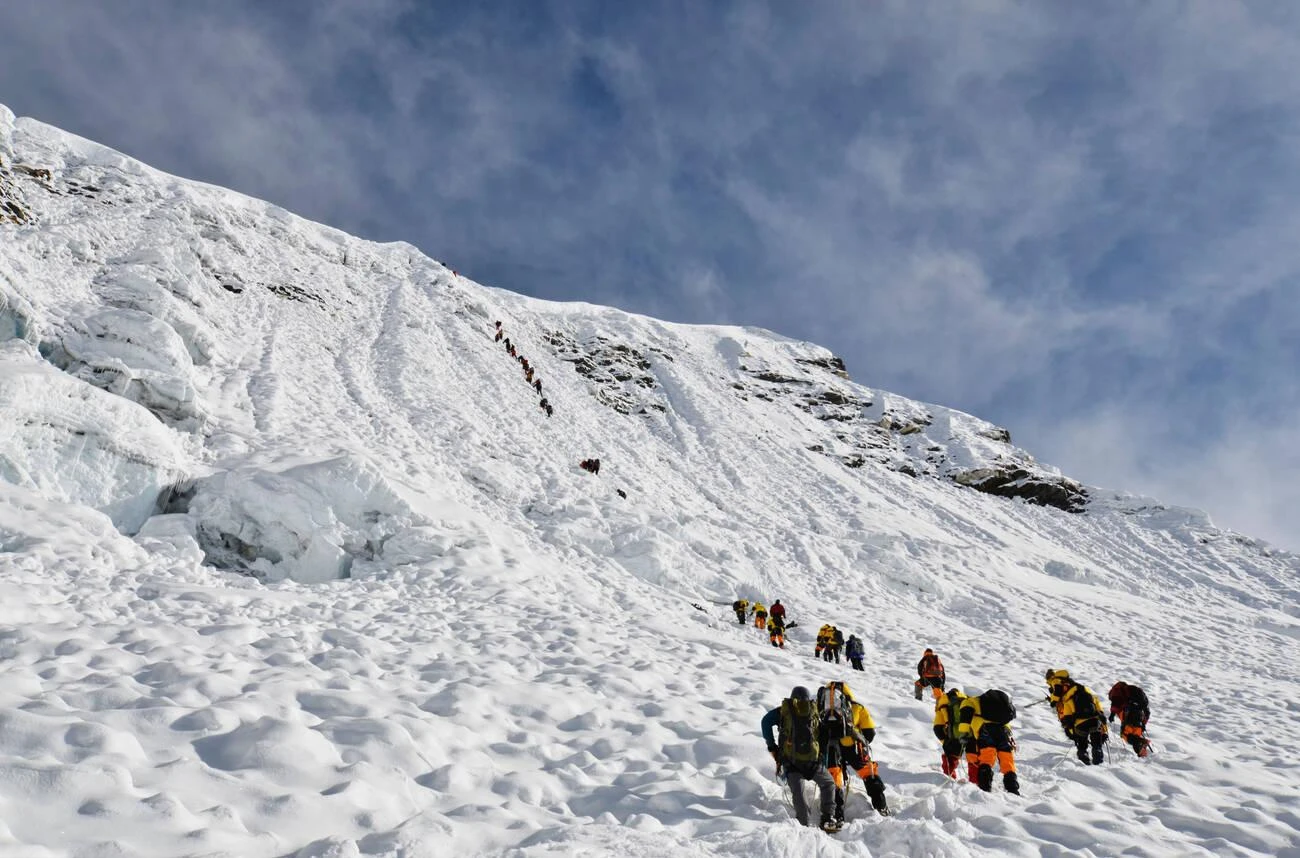
Island Peak is considered a moderately difficult trekking peak, suitable for climbers with good physical fitness and basic mountaineering skills. The climb involves glacier travel, fixed ropes, steep snow slopes, and a final headwall before the summit. Prior trekking experience above 5,000 meters is highly recommended.
Transportation includes a domestic flight from Kathmandu to Lukla, one of the most scenic flights in the world. All ground logistics, porter support, and climbing guides are managed by Across Nepal Holidays, ensuring a smooth and safe journey throughout the expedition.
Difficulty Factors:
Accommodation during the trek is primarily in comfortable teahouses offering basic but cozy rooms. In Kathmandu, climbers stay in quality hotels, while at Island Peak Base Camp, accommodation is in fully serviced tented camps with proper dining and sleeping arrangements.
Meals are freshly prepared and designed to be nutritious and energy-rich, including local Nepali dishes and international options. Special dietary requirements can be arranged upon request, ensuring climbers maintain strength and health throughout the expedition.
Food & Stay:
To climb Island Peak, climbers require several permits issued by the Nepal Government. Across Nepal Holidays arranges all necessary documentation in advance, allowing climbers to focus entirely on their adventure without administrative stress.
Permits include a Trekking Peak Permit from the Nepal Mountaineering Association (NMA), Sagarmatha National Park Permit, and a Khumbu Pasang Lhamu Rural Municipality Permit. All permits are mandatory and strictly regulated.
Required Permits:
Across Nepal Holidays is a trusted and experienced trekking and climbing company dedicated to safety, quality service, and authentic Himalayan experiences. Our professional guides are certified, experienced, and knowledgeable, ensuring climbers receive proper training and support throughout the journey.
We focus on small group sizes, personalized service, and well-planned itineraries that maximize success rates while prioritizing safety. From arrival to departure, our team handles every detail, making your Island Peak Climbing adventure memorable and worry-free.
Why Travel With Us:
Upon your arrival at Tribhuvan International Airport in Kathmandu, a representative from Across Nepal Holidays will warmly welcome you and assist with your transfer to the hotel. After check-in, you can rest from your journey or explore the vibrant streets of Thamel, known for its trekking shops, cafes, and cultural atmosphere. In the evening, there will be a detailed briefing about the Island Peak Climbing adventure, including safety measures, itinerary highlights, and gear checks. This day allows you to acclimate to Nepal’s environment while enjoying traditional Nepali hospitality.
Early in the morning, you will take a scenic flight from Kathmandu to Lukla, one of the most thrilling mountain airstrips in the world. The flight offers breathtaking views of the Himalayas before landing in the Everest region. After meeting the trekking crew, the journey officially begins with a gentle trek to Phakding. Walking along the Dudh Koshi River, passing suspension bridges, prayer wheels, and small Sherpa villages, you will enjoy your first taste of the Khumbu region. The short trek helps with acclimatization and sets a comfortable pace for the days ahead.
Today’s trek follows the Dudh Koshi River through pine forests and across several suspension bridges adorned with prayer flags. You will pass through villages such as Monjo, where Sagarmatha National Park entry formalities are completed. The trail gradually ascends and then becomes steeper toward Namche Bazaar, the vibrant trading hub of the Everest region. The final uphill stretch is challenging but rewarding, as the first glimpses of Mount Everest may appear on a clear day. Upon arrival in Namche, you will settle into a lodge and enjoy the lively mountain town atmosphere.
This acclimatization day is crucial for adapting to higher altitudes and reducing the risk of altitude sickness. Across Nepal Holidays organizes a short hike to nearby viewpoints such as Everest View Hotel or Khumjung village. These hikes allow your body to adjust while offering stunning panoramic views of Everest, Lhotse, Ama Dablam, and Thamserku. You can also explore Namche Bazaar’s bakeries, museums, and local markets. The rest of the day is spent relaxing, hydrating, and preparing for higher elevations while enjoying the comfort of a well-developed mountain settlement.
Leaving Namche, the trail contours along the mountainside with spectacular views of Everest, Nuptse, and Ama Dablam. After descending to Phunki Tenga, the route climbs steeply through rhododendron and pine forests to Tengboche. This village is famous for the Tengboche Monastery, the spiritual center of the Khumbu region. Upon arrival, you may visit the monastery and observe Buddhist rituals surrounded by towering Himalayan peaks. The serene environment, combined with majestic scenery, makes this day especially memorable as you continue deeper into the heart of the Everest region.
The trek from Tengboche to Dingboche offers diverse landscapes, from alpine forests to open valleys. The trail descends to the Imja Khola River and then gradually ascends through Pangboche village, one of the oldest Sherpa settlements in the region. You may stop to visit Pangboche Monastery before continuing toward Dingboche. As altitude increases, vegetation becomes sparse, and the scenery turns rugged and dramatic. Dingboche lies in a wide valley surrounded by stone-walled fields and towering peaks, providing an excellent environment for rest and acclimatization.
Another essential acclimatization day helps your body prepare for even higher elevations. A guided hike to Nangkartshang Peak or nearby ridges is arranged, offering panoramic views of Makalu, Lhotse, and Island Peak itself. These short hikes improve acclimatization while maintaining physical fitness. In the afternoon, you can relax at the lodge, enjoy warm meals, and learn more about climbing techniques and safety procedures from the guides of Across Nepal Holidays. Proper rest, hydration, and gradual exposure to altitude are the focus of this important preparation day.
Today’s trek leads you through alpine terrain with breathtaking mountain vistas. Passing through Dughla, the trail climbs to the Thukla Pass, where memorials honor climbers who lost their lives on Everest. This emotional and inspiring place offers views of Pumori and surrounding peaks. From here, the route gradually ascends toward Lobuche, a small settlement surrounded by glaciers and rocky landscapes. The thinner air makes walking slower, but the dramatic Himalayan scenery provides constant motivation. Upon arrival, you rest and prepare for the upcoming high-altitude days.
The trek to Gorakshep follows the edge of the Khumbu Glacier, offering stunning views of icefalls and towering peaks. After reaching Gorakshep and resting briefly, you will hike to Kala Patthar, one of the best viewpoints in the Everest region. From the summit, you can enjoy a close-up view of Mount Everest, Nuptse, and surrounding giants, especially during sunset. This is one of the highlights of the entire journey. After descending, you return to Gorakshep for an overnight stay in challenging but rewarding high-altitude conditions.
After an early breakfast, you retrace your steps back to Lobuche. The return trek allows you to fully appreciate the glacial landscape and towering Himalayan peaks from a different perspective. Walking at a relaxed pace, you focus on conserving energy and maintaining proper acclimatization. This day serves as a transition from the Everest Base Camp route toward the Island Peak climbing section of the journey. Upon reaching Lobuche, you rest, rehydrate, and prepare for the more technical terrain ahead under the guidance of Across Nepal Holidays’ experienced climbing team.
This is one of the most challenging trekking days, crossing the high Khongma La Pass. The ascent involves steep trails and rocky terrain, requiring endurance and careful footing. From the pass, you are rewarded with panoramic views of glaciers, Island Peak, and surrounding Himalayan giants. The descent toward Chhukung is equally dramatic, passing through remote and less-traveled landscapes. This demanding but rewarding day brings you closer to Island Peak and provides a sense of true Himalayan adventure. Overnight in Chhukung allows for rest and preparation for the climb.
Leaving Chhukung, the trail gradually ascends toward Island Peak Base Camp across rocky terrain and glacial moraines. As you approach base camp, the impressive south face of Lhotse and the towering Island Peak dominate the landscape. Upon arrival, the climbing team from Across Nepal Holidays sets up camp and conducts a detailed briefing on climbing techniques, rope handling, and safety procedures. You may practice using crampons and ice axes. The evening is spent resting, hydrating, and mentally preparing for the summit attempt ahead.
Summit day begins very early, usually around midnight, under the guidance of experienced Sherpa climbers. Using headlamps, you ascend gradually across glaciers, snow slopes, and fixed ropes. The final climb to the summit is steep and challenging but immensely rewarding. From the top of Island Peak, you enjoy breathtaking views of Everest, Lhotse, Makalu, and Ama Dablam. After celebrating your achievement, you carefully descend back to base camp and continue down to Chhukung. This is the most demanding yet unforgettable day of the expedition.
After the successful summit, you descend to lower altitudes, allowing your body to recover. The trek from Chhukung to Pangboche is relatively gentle and scenic, passing familiar trails and villages. Pangboche offers a peaceful environment with impressive views of Ama Dablam. You may visit Pangboche Monastery again to give thanks for a safe climb. This day is relaxed, focusing on recovery, reflection, and enjoyment of the Sherpa culture and Himalayan scenery after completing the Island Peak climb with Across Nepal Holidays.
Continuing the descent, you retrace your route through Tengboche and lush forests back to Namche Bazaar. The lower altitude makes walking easier, and you can fully enjoy the surroundings. Passing monasteries, prayer flags, and suspension bridges, the trek feels more relaxed. Upon reaching Namche, you can celebrate the successful expedition with hot showers, fresh bakery items, and interaction with fellow trekkers. This day marks a return to comfort after days in high-altitude and remote mountain environments.
The final trekking day follows the familiar trail back to Lukla, descending through forests and crossing suspension bridges over the Dudh Koshi River. Although mostly downhill, there are short uphill sections that provide a final challenge. Along the way, you can reflect on the incredible journey through the Everest region and the achievement of climbing Island Peak. Upon arrival in Lukla, you will enjoy a farewell dinner with your trekking and climbing crew, celebrating the success of the expedition organized by Across Nepal Holidays.
Early in the morning, you board a scenic flight from Lukla back to Kathmandu. Weather permitting, the flight offers last views of the Himalayas before returning to the bustling capital. After transferring to your hotel, the rest of the day is free for leisure. You may choose to explore cultural sites, shop for souvenirs, or simply relax after the long adventure. In the evening, Across Nepal Holidays may arrange a farewell dinner to celebrate the successful completion of your Island Peak Climbing expedition.
On your final day in Nepal, a representative from Across Nepal Holidays will assist with your transfer to Tribhuvan International Airport for your onward journey. As you depart, you carry unforgettable memories of trekking through the Everest region, summiting Island Peak, and experiencing the rich culture and hospitality of Nepal. This journey combines adventure, natural beauty, and personal achievement, making it a truly life-changing experience. We hope to welcome you again for another Himalayan adventure in the future.
Your Start Date is the day you land in Nepal, and your End Date is when you fly home.
If the set Island Peak Climbing group dates don’t suit your schedule, we can offer alternative dates upon request.
Island Peak, also known as Imja Tse, is one of Nepal’s most popular trekking peaks, standing at 6,189 meters (20,305 feet). It is located in the Everest region within Sagarmatha National Park, surrounded by iconic mountains such as Mount Everest, Lhotse, and Ama Dablam. Island Peak Climbing combines high-altitude trekking with basic mountaineering, making it an excellent introduction to Himalayan climbing. With Across Nepal Holidays, climbers experience a well-planned journey through Sherpa villages, glaciers, and alpine landscapes while receiving professional guidance for a safe and rewarding summit experience.
Island Peak Climbing is considered moderately challenging and is suitable for physically fit trekkers with some prior hiking or trekking experience. While it does not require advanced technical mountaineering skills, climbers must be comfortable using basic equipment such as crampons, harnesses, and ice axes. The biggest challenges are altitude, cold temperatures, and long summit day hours. Across Nepal Holidays provides pre-climb training at base camp, experienced Sherpa guides, and gradual acclimatization days to help climbers safely manage the difficulty level and successfully reach the summit.
Prior technical climbing experience is not mandatory for Island Peak, but good physical fitness and previous high-altitude trekking experience are strongly recommended. The climb involves glacier travel, fixed ropes, and a steep snow headwall near the summit, which can be demanding for beginners. Across Nepal Holidays ensures that climbers receive thorough instruction on climbing techniques, equipment usage, and safety procedures at Island Peak Base Camp. This training, combined with experienced Sherpa support, allows motivated beginners to confidently attempt the summit.
Acclimatization is a critical part of Island Peak Climbing, as rapid altitude gain can lead to serious health risks. The itinerary designed by Across Nepal Holidays includes multiple acclimatization days in Namche Bazaar and Dingboche, as well as gradual altitude increases throughout the trek. Short hikes to higher elevations during rest days help the body adapt naturally. Guides closely monitor climbers for symptoms of altitude sickness and adjust the pace if necessary, prioritizing safety and long-term health over speed.
Across Nepal Holidays is a trusted Nepal-based adventure company with extensive experience in trekking and peak climbing across the Himalayas. The company focuses on small groups, personalized service, and safety-oriented itineraries. Their professional guides, well-planned acclimatization schedules, and high success rates make them an excellent choice for Island Peak Climbing. In addition to logistical expertise, they emphasize cultural experiences, environmental responsibility, and client satisfaction, ensuring a memorable and meaningful Himalayan adventure from arrival to departure.
The best seasons for Island Peak Climbing are spring (March to May) and autumn (September to November). During these months, weather conditions are generally stable, visibility is excellent, and temperatures are more manageable at higher altitudes. Spring offers warmer conditions and blooming rhododendrons, while autumn provides crisp air and stunning mountain views after the monsoon season. Across Nepal Holidays carefully plans departures during these optimal seasons to maximize safety, summit success, and overall trekking enjoyment in the Everest region.
Island Peak Climbing requires several permits, including a Sagarmatha National Park entry permit, a Khumbu Pasang Lhamu Rural Municipality permit, and an Island Peak climbing permit issued by the Nepal Mountaineering Association (NMA). These permits are mandatory and must be obtained before entering the region or attempting the climb. Across Nepal Holidays handles all permit arrangements on behalf of clients, ensuring a hassle-free experience. This allows climbers to focus fully on preparation, acclimatization, and enjoying the adventure without administrative concerns.
During the trek, accommodation is provided in comfortable teahouses with basic yet clean rooms, shared facilities, and warm dining areas. At Island Peak Base Camp, climbers stay in well-equipped tents with sleeping mats and insulated gear. Meals consist of nutritious and energy-rich foods such as rice, pasta, soups, vegetables, eggs, and traditional Nepali dishes. Across Nepal Holidays ensures hygienic food preparation and balanced meals to maintain strength and energy levels throughout the climb, even in high-altitude conditions.
Island Peak Climbing is generally safe when undertaken with a reputable company and proper preparation. Across Nepal Holidays prioritizes safety by employing licensed guides, experienced Sherpa climbers, and well-trained support staff. Safety equipment, fixed ropes, and regular health checks are part of the expedition. Weather conditions are closely monitored, and summit attempts are only made when conditions are favorable. In case of emergencies, evacuation procedures are well established. A responsible approach ensures climbers enjoy a challenging yet secure Himalayan adventure.
Climbers need both trekking and mountaineering equipment, including insulated boots, crampons, harness, helmet, ice axe, warm clothing, sleeping bags, and gloves. While personal items should be brought from home, technical gear can be rented or arranged in Kathmandu. Across Nepal Holidays provides a detailed packing list and can assist with high-quality gear rental. Proper equipment is essential for comfort, safety, and success, especially during the summit push where cold and wind conditions can be extreme.