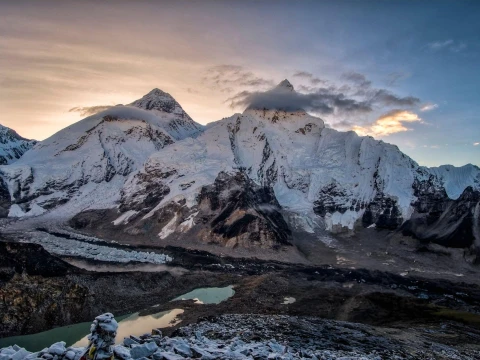
The Everest Base Camp Trek, offered by Across Nepal Holidays, is one of the most iconic treks in the world. It takes you deep into the heart of the Himalayas, offering panoramic views of the world’s tallest peaks, including Mount Everest (8,848 m), Lhotse, Nuptse, and Ama Dablam. This trek combines natural beauty, cultural experiences, and adventure, making it an unforgettable journey. Along the way, trekkers traverse diverse landscapes ranging from lush forests and traditional Sherpa villages to high-altitude deserts and glacial terrain.The trek typically starts with a flight to Lukla, the gateway to the Everest region, followed by a gradual ascent through picturesque villages like Phakding, Namche Bazaar, Tengboche, Dingboche, and Lobuche before reaching the base camp. Trekkers also have the opportunity to hike to Kala Patthar, a viewpoint offering stunning sunrise views over Mount Everest. This trek is not only a physical challenge but also an immersive cultural experience, where trekkers can interact with the Sherpa community, visit monasteries, and witness traditional Himalayan lifestyles.Panoramic views of Mount Everest, Lhotse, and Ama DablamVisiting Sherpa villages and Tengboche MonasteryHiking to Kala Patthar for sunrise viewsExperiencing local culture and high-altitude ecosystemsBest Season for Everest Base Camp TrekThe best time to trek to Everest Base Camp is during the pre-monsoon (spring) and post-monsoon (autumn) seasons. Spring (March to May) is ideal for those who want to witness blooming rhododendrons and clear mountain vistas. The weather is generally stable, and temperatures are moderate, making trekking comfortable. Autumn (late September to November) offers crystal-clear skies and excellent photographic opportunities, with views of Everest and surrounding peaks at their most majestic.Winter (December to February) can be harsh with sub-zero temperatures and heavy snow, making trekking more challenging but less crowded. Summer (June to August) coincides with the monsoon season, bringing rain, slippery trails, and the risk of landslides, so it is generally not recommended. Choosing the right season is crucial for safety, visibility, and an overall enjoyable trekking experience.Seasonal Highlights:Spring: Blooming rhododendrons, moderate temperaturesAutumn: Clear skies, best photography conditionsWinter: Fewer crowds, snow-covered landscapes (challenging)Summer: Avoid due to heavy rainfall and slippery trailsEverest Base Camp Trek Difficulty and TransportationThe Everest Base Camp Trek is considered a moderate to strenuous trek, requiring a good level of fitness. While no technical climbing skills are needed, trekkers should be prepared for long days of walking at high altitudes, variable weather conditions, and steep ascents and descents. Acclimatization days in Namche Bazaar and Dingboche are critical to reduce the risk of altitude sickness. Trekking poles, proper boots, and layered clothing are highly recommended.Transportation to the Everest region is straightforward but adventurous. Most itineraries begin with a domestic flight from Kathmandu to Lukla, a 35-minute flight renowned for its thrilling approach and stunning mountain views. From Lukla, trekking is the only way to reach EBC. For return journeys, trekkers often fly back from Lukla to Kathmandu, saving several days compared to walking back.Key Points:Trekking Duration: Approximately 12–14 daysAltitude Range: 2,800 m (Lukla) to 5,364 m (Everest Base Camp)Fitness Level: Moderate to strenuousTransportation: Kathmandu–Lukla flight, trekking on footFood and Accommodation for Everest Base Camp TrekDuring the trek, accommodation is primarily in tea houses and lodges, which provide basic but comfortable rooms with shared or private bathrooms. The facilities improve as you approach lower altitudes, while higher camps offer more rustic conditions. Despite the simplicity, most lodges maintain cleanliness and provide warm meals, hot showers (for a fee), and cozy bedding to help trekkers recover after long days of walking.Food on the trail includes local Nepalese dishes such as dal bhat (rice and lentils), momo (dumplings), noodles, soups, and pasta. Western dishes are also widely available. Staying well-hydrated and consuming high-energy foods is essential to maintain stamina and prevent altitude sickness. Across Nepal Holidays ensures that trekkers have guidance on meals and access to clean water through purification methods.Essentials for Food and Accommodation:Tea houses and lodges along the trekking routeTraditional Nepalese meals and Western optionsHot water available in most lodges (extra charge)Emphasis on hydration and nutrition at high altitudesEverest Base Camp Trek PermitsTrekking to Everest Base Camp requires several permits, which Across Nepal Holidays helps arrange to ensure a smooth journey. The main permits include:TIMS Card (Trekkers’ Information Management System) – mandatory for all trekkers in the Everest region.Sagarmatha National Park Permit – required for entry into the park, which includes EBC and surrounding regions.These permits help the Nepalese government manage trekking, maintain safety, and conserve the natural environment. Carrying these permits is essential, as you may be checked at multiple points along the route. The permits also contribute to supporting local communities and infrastructure in the Everest region.Permit Highlights:TIMS Card for trekkersSagarmatha National Park PermitIssued prior to the trek, handled by trekking agencySupports conservation and local communitiesWhy Choose Everest Base Camp Trek with Across Nepal HolidaysChoosing Across Nepal Holidays for your Everest Base Camp adventure ensures a safe, enjoyable, and well-organized experience. The company provides experienced guides, porters, and support staff who are familiar with the terrain, altitude challenges, and local culture. Their itineraries are thoughtfully designed to balance trekking with acclimatization, ensuring safety and comfort.Across Nepal Holidays also focuses on responsible tourism by supporting local communities, respecting cultural traditions, and minimizing environmental impact. With personalized service, detailed pre-trek briefings, and reliable logistics, trekkers can focus entirely on enjoying the journey rather than worrying about arrangements. Whether it’s your first trek in the Himalayas or a bucket-list adventure, the team’s expertise makes it a memorable and seamless experience.Reasons to Choose Across Nepal Holidays:Experienced guides and porters for safety and supportWell-planned itinerary with acclimatization daysStrong focus on responsible tourism and local communitiesPersonalized service from start to finish
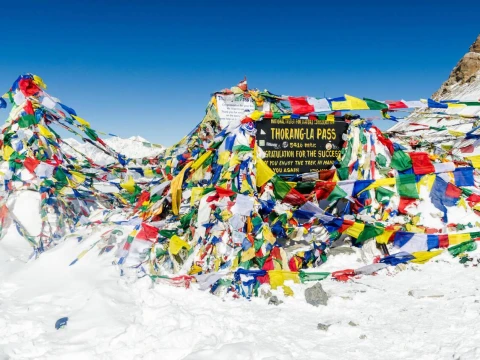
The Annapurna Circuit Trek is one of Nepal’s most legendary and diverse trekking adventures, offering an unforgettable journey through the heart of the Annapurna mountain range. Organized by Across Nepal Holidays, this trek circles the Annapurna massif and showcases dramatic changes in landscape, culture, and climate. From lush subtropical valleys and terraced farmlands to arid high-altitude deserts and snow-covered mountain passes, the trek delivers an ever-changing panorama every day.The trek begins in the lowlands of the Marsyangdi Valley and gradually ascends through traditional Gurung, Manangi, and Thakali villages. A major highlight is crossing the iconic Thorong La Pass (5,416m)—one of the highest trekking passes in the world—before descending into the sacred pilgrimage site of Muktinath. The journey concludes through the beautiful Annapurna foothills, including Ghorepani and Ghandruk, offering stunning sunrise views and rich cultural encounters.Thorong La Pass (5,416m)Diverse ethnic villages and culturesPanoramic views of Annapurna, Dhaulagiri & ManasluNatural hot springs at TatopaniSacred Muktinath TempleBest Season for Annapurna Circuit TrekChoosing the right season is crucial for a safe and enjoyable Annapurna Circuit Trek. The best seasons are spring (March–May) and autumn (September–November), when weather conditions are stable and mountain views are at their best. During these months, trekkers enjoy clear skies, moderate temperatures, and excellent visibility of snow-capped peaks.Spring brings blooming rhododendron forests, colorful landscapes, and longer daylight hours. It is especially appealing for nature lovers and photographers. Autumn, on the other hand, is the most popular trekking season due to crisp air, post-monsoon clarity, and comfortable temperatures. Festivals like Dashain and Tihar also offer cultural richness along the trail.Winter treks are possible but challenging due to heavy snow at Thorong La, while monsoon season (June–August) brings landslides and poor visibility, making it less ideal.Best Time Summary:Spring: Blooming forests & mild weatherAutumn: Clear skies & best mountain viewsWinter: Cold, snow-dependent conditionsMonsoon: Fewer crowds but higher riskAnnapurna Circuit Trek Difficulty and TransportationThe Annapurna Circuit Trek is considered a moderate to challenging trek, suitable for trekkers with good physical fitness and strong determination. The difficulty mainly arises from long walking days, gradual altitude gain, and the high elevation of Thorong La Pass. Proper acclimatization days, especially in Manang, help reduce the risk of altitude sickness.Transportation plays an important role in the overall trekking experience. The journey starts with a scenic drive from Kathmandu to Syange or Jagat and ends with road travel from Muktinath to Tatopani and Pokhara. While road access has improved, trekking sections remain authentic and rewarding.Across Nepal Holidays ensures safe and comfortable transportation using experienced drivers and well-maintained vehicles, allowing trekkers to focus fully on the adventure.Difficulty & Transport Facts:Trek duration: 17 daysMax altitude: 5,416mDaily walking: 5–8 hoursCombination of trekking and drivingFood and Accommodation for Annapurna Circuit TrekDuring the Annapurna Circuit Trek, trekkers stay in local teahouses, which provide basic but comfortable accommodation. Rooms are generally twin-sharing with warm blankets, and higher altitudes may have limited facilities. Despite simplicity, teahouses offer a warm and welcoming atmosphere after long trekking days.Food along the trail is surprisingly diverse. Meals are freshly prepared, nutritious, and designed to sustain trekkers at high altitude. Traditional Nepali Dal Bhat is the most popular choice, offering unlimited refills and balanced nutrition. International options such as pasta, noodles, soups, pancakes, and fried rice are widely available.Across Nepal Holidays prioritizes hygienic food choices and carefully selects teahouses known for cleanliness and quality service.Food & Stay Highlights:Local teahouse accommodationNutritious, freshly cooked mealsDal Bhat, soups, noodles & local dishesDining halls with fireplaces at higher altitudesAnnapurna Circuit Trek PermitsTo trek the Annapurna Circuit, trekkers must obtain two mandatory permits, which are regulated by the Government of Nepal. These permits help manage tourism, ensure safety, and support conservation efforts within the Annapurna region.The first is the Annapurna Conservation Area Permit (ACAP), which allows entry into the protected area. The second is the TIMS (Trekkers’ Information Management System) Card, which helps authorities track trekkers for safety purposes. Across Nepal Holidays handles all permit arrangements, saving trekkers time and hassle.Proper documentation is essential, and permits must be carried throughout the trek for checkpoint inspections.Required Permits:Annapurna Conservation Area Permit (ACAP)TIMS CardPassport copy & photos requiredManaged fully by Across Nepal HolidaysWhy Choose Annapurna Circuit Trek with Across Nepal HolidaysChoosing Across Nepal Holidays means trekking with a trusted, experienced, and locally operated company dedicated to safety and authentic experiences. Our expert guides are government-licensed, highly trained in altitude safety, and deeply knowledgeable about local culture and geography.We focus on responsible tourism, fair treatment of staff, and personalized service. From customized itineraries and quality accommodations to emergency preparedness, we ensure every detail is professionally managed. Our long-standing relationships with local communities enhance your trekking experience while supporting sustainable tourism.With Across Nepal Holidays, the Annapurna Circuit Trek becomes more than just a journey—it becomes a lifetime memory.Why Travel With Us:Experienced local guides & portersSafety-first trekking approachEthical & sustainable tourismPersonalized service & local expertise
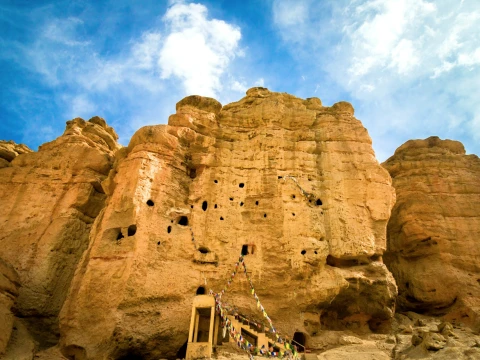
The Upper Mustang Trek is a unique journey into one of the most remote and culturally rich regions of Nepal. Often referred to as the “Hidden Kingdom,” Mustang was a restricted area for decades and preserves a unique Tibetan culture, ancient monasteries, and spectacular landscapes. This trek takes you through dramatic deserts, deep canyons, and high-altitude villages where traditional lifestyles remain largely untouched by modernity. Travelers will witness medieval walled settlements, colorful mani walls, ancient caves, and breathtaking Himalayan views, including glimpses of the Annapurna and Dhaulagiri ranges. The Upper Mustang region is also home to the Lo Manthang village, the former kingdom’s capital, which is a highlight of this trek.This trek is perfect for those who want an off-the-beaten-path adventure combining natural beauty, adventure, and cultural exploration. Along the way, trekkers will meet local people wearing traditional Tibetan attire, visit monasteries, and explore fascinating caves that were once used for meditation and protection. The journey starts from Kathmandu and involves flights and drives to reach the trailhead, making the experience diverse and exciting.Explore the walled city of Lo Manthang, a cultural treasure.Visit Chhoser Caves, ancient cliffside dwellings used by locals.Enjoy views of the Annapurna, Dhaulagiri, and Nilgiri ranges.Experience traditional Tibetan culture and hospitality.Trek through high desert landscapes rarely seen elsewhere.With Across Nepal Holidays, trekkers are guided by experienced professionals who ensure safety, comfort, and a deep cultural experience, making this trek an unforgettable adventure.Best Season for Upper Mustang TrekThe best season for the Upper Mustang Trek is during spring (March to May) and autumn (September to November). These periods offer clear skies, moderate temperatures, and optimal visibility of the Himalayan ranges. Spring brings blooming rhododendrons and alpine flowers, enhancing the natural beauty of the trail. Autumn offers crisp weather, making trekking more comfortable and providing the best conditions for photography. Winter (December to February) is less ideal due to cold temperatures and occasional snowfall, while monsoon season (June to August) is not recommended because of landslides and slippery trails.Upper Mustang’s arid, desert-like environment means less rainfall than other parts of Nepal, but trekkers should still be prepared for chilly nights, especially at higher altitudes. Daytime temperatures can be moderate, but evenings and nights may drop below freezing, particularly in winter. It is essential to carry layered clothing and sun protection due to strong sunlight at high altitudes.Seasonal Highlights:Spring (March–May): Blooming flowers, pleasant temperatures, clear mountain views.Autumn (September–November): Crisp air, clear skies, ideal trekking conditions.Winter (December–February): Cold nights, fewer tourists, clear skies on some days.Monsoon (June–August): Not recommended, potential trail hazards due to rain.Choosing the right season ensures that trekkers get the most enjoyable and safe experience while exploring the mystical landscapes of Upper Mustang with Across Nepal Holidays.Upper Mustang Trek Difficulty and TransportationThe Upper Mustang Trek is considered moderate to challenging. While the trail does not involve extreme technical climbing, trekkers must be prepared for high-altitude trekking, long walking hours, and gradual acclimatization. The highest point is around 3,860m (Ghiling), which is moderate compared to other Himalayan treks but still requires careful altitude adjustment. Daily walking hours range from 3 to 7 hours, with uneven trails, rocky paths, and occasional steep sections. Trekkers need a reasonable level of fitness, stamina, and mental preparation for the isolation of this remote region.Transportation for the trek involves a combination of flights and drives. Trekkers fly from Kathmandu to Pokhara, followed by a short domestic flight to Jomsom, which serves as the starting point of the trek. The return journey also includes a flight from Jomsom back to Pokhara and a drive to Kathmandu. These transport arrangements allow travelers to experience diverse landscapes—from lush river valleys to high desert plateaus—without overly taxing overland travel.Difficulty and Transportation at a Glance:Trekking Level: Moderate to ChallengingHighest Elevation: 3,860m (Ghiling)Daily Trekking Hours: 3–7 hoursTerrain: Rocky trails, desert landscapes, occasional steep sectionsTransport: Flights (Kathmandu-Pokhara-Jomsom), Drives (Kathmandu-Pokhara)With Across Nepal Holidays, trekkers benefit from well-organized transport logistics and experienced guides, making the challenging journey smooth, safe, and enjoyable.Food and Accommodation for Upper Mustang TrekDuring the Upper Mustang Trek, trekkers are accommodated in a combination of teahouses, lodges, and simple hotels along the route. Teahouses are basic but clean, offering warm meals, hot showers (where available), and friendly hospitality from local families. The facilities are more modest in remote villages such as Chele, Syangmoche, and Ghami, where electricity and hot water may be limited, but the authenticity and warmth of the local hospitality make up for the simplicity.Food along the trek includes local Tibetan-inspired cuisine, such as dal bhat (lentil soup with rice), noodles, momo (dumplings), and porridge. While Western meals are available in larger villages like Jomsom and Lo Manthang, the majority of meals are fresh and locally sourced. Trekkers are advised to carry snacks and energy bars for longer trekking days and to stay hydrated at high altitudes. Across Nepal Holidays ensures that all meals and accommodations are arranged in advance to make the journey comfortable and stress-free.Food and Accommodation Highlights:Lodging: Teahouses, lodges, simple hotelsMeals: Traditional Tibetan and Nepali cuisine, some Western optionsFacilities: Hot showers available in major villages, electricity limited in remote areasComfort: Warm, clean, and safe with a welcoming local environmentThis careful planning ensures trekkers enjoy both the cultural immersion and physical comfort throughout the Upper Mustang adventure.Upper Mustang Trek PermitsTrekking in Upper Mustang requires special permits, as it is a restricted area. Trekkers must obtain the Upper Mustang Restricted Area Permit (RAP) in addition to the standard Trekkers’ Information Management System (TIMS) card. These permits are essential for legal entry and are strictly enforced by local authorities. The RAP helps regulate tourism in this fragile region, ensuring environmental preservation and cultural integrity.The cost of the permit is higher than typical trekking permits due to the region’s exclusivity. It is usually arranged through reputable trekking agencies like Across Nepal Holidays, which handle all the paperwork, ensuring travelers can focus on the trek rather than bureaucracy. Permits must be carried at all times during the trek and may be checked at checkpoints along the trail.Permit Details:Upper Mustang Restricted Area Permit (RAP): MandatoryTIMS Card: Standard trekking requirementCost: Higher than usual trekking permits due to restricted accessAgency Assistance: Across Nepal Holidays arranges all permits in advanceCheckpoints: Permit must be carried and presented at local checkpointsProper permit arrangements make the Upper Mustang Trek legal, safe, and hassle-free, ensuring a smooth journey in this extraordinary destination.Why Choose Upper Mustang TrekThe Upper Mustang Trek is one of the most unique and culturally enriching treks in Nepal. Unlike other trekking regions, Mustang offers an unparalleled glimpse into a preserved Tibetan culture, ancient monasteries, and medieval villages. The combination of stunning landscapes, desert-like terrain, and high-altitude adventure makes this trek an unforgettable experience. The region’s remoteness ensures fewer tourists, offering a more peaceful and intimate trekking experience.Choosing Across Nepal Holidays for this trek guarantees a professional and personalized experience. The company provides experienced local guides, well-planned itineraries, and full support for permits, accommodation, and meals, ensuring safety and comfort throughout the journey. Their knowledge of local culture and terrain enhances the trek, giving travelers insights that go beyond what guidebooks offer. Additionally, the company prioritizes sustainable tourism, supporting local communities and preserving the natural and cultural heritage of Mustang.Reasons to Choose Upper Mustang Trek with Across Nepal Holidays:Explore the “Hidden Kingdom” and Lo Manthang.Experience traditional Tibetan culture and hospitality.Trek through unique high desert landscapes.Professional guidance, permit arrangements, and logistical support.Sustainable and responsible tourism practices.With Across Nepal Holidays, the Upper Mustang Trek becomes not just a journey through the Himalayas, but a cultural and spiritual adventure, leaving lasting memories of Nepal’s most remote kingdom.
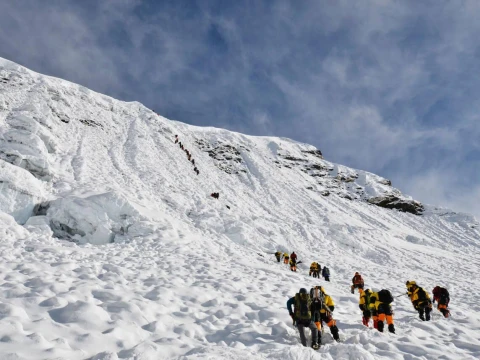
Island Peak Climbing (6,189 m), also known as Imja Tse, is one of the most popular and rewarding trekking peaks in Nepal. Located in the heart of the Everest region, Island Peak offers climbers a perfect blend of high-altitude trekking and introductory Himalayan mountaineering. The journey begins in Kathmandu, followed by a scenic flight to Lukla and a gradual trek through Sherpa villages, ancient monasteries, and breathtaking alpine landscapes.The itinerary is carefully designed to include acclimatization days in Namche Bazaar and Dingboche, ensuring climbers adapt safely to altitude. Before the summit attempt, trekkers reach Island Peak Base Camp, where pre-climb training is provided. The summit day rewards climbers with stunning panoramic views of Mt. Everest, Lhotse, Nuptse, Makalu, and Ama Dablam, making the challenge truly unforgettable.Stunning Everest region trekking routeProper acclimatization and safety-focused itineraryIdeal peak for first-time Himalayan climbersBest Season for Island Peak ClimbingThe best seasons for Island Peak Climbing are spring (March–May) and autumn (September–November). During spring, the trails are vibrant with blooming rhododendrons, and the weather is relatively stable, offering excellent climbing conditions. This season is also popular due to longer daylight hours and clearer mountain views.Autumn is equally favorable, following the monsoon season, when skies are crystal clear and temperatures are moderate. The trekking trails are dry, and visibility is at its best. Winter climbing is possible but extremely cold, while the monsoon season presents challenges due to rain, clouds, and slippery trails.Best Months:Spring: March, April, MayAutumn: September, October, NovemberIsland Peak Climbing Difficulty and TransportationIsland Peak is considered a moderately difficult trekking peak, suitable for climbers with good physical fitness and basic mountaineering skills. The climb involves glacier travel, fixed ropes, steep snow slopes, and a final headwall before the summit. Prior trekking experience above 5,000 meters is highly recommended.Transportation includes a domestic flight from Kathmandu to Lukla, one of the most scenic flights in the world. All ground logistics, porter support, and climbing guides are managed by Across Nepal Holidays, ensuring a smooth and safe journey throughout the expedition.Difficulty Factors:High altitude and long trekking daysUse of crampons, ice axe, and ropesGlacier and snow climbing sectionsFood and Accommodation for Island Peak ClimbingAccommodation during the trek is primarily in comfortable teahouses offering basic but cozy rooms. In Kathmandu, climbers stay in quality hotels, while at Island Peak Base Camp, accommodation is in fully serviced tented camps with proper dining and sleeping arrangements.Meals are freshly prepared and designed to be nutritious and energy-rich, including local Nepali dishes and international options. Special dietary requirements can be arranged upon request, ensuring climbers maintain strength and health throughout the expedition.Food & Stay:Teahouses during the trekTented camp at Base CampHygienic, high-energy mealsIsland Peak Climbing PermitsTo climb Island Peak, climbers require several permits issued by the Nepal Government. Across Nepal Holidays arranges all necessary documentation in advance, allowing climbers to focus entirely on their adventure without administrative stress.Permits include a Trekking Peak Permit from the Nepal Mountaineering Association (NMA), Sagarmatha National Park Permit, and a Khumbu Pasang Lhamu Rural Municipality Permit. All permits are mandatory and strictly regulated.Required Permits:Island Peak Climbing Permit (NMA)Sagarmatha National Park Entry PermitLocal Khumbu PermitWhy Choose Island Peak Climbing with Across Nepal HolidaysAcross Nepal Holidays is a trusted and experienced trekking and climbing company dedicated to safety, quality service, and authentic Himalayan experiences. Our professional guides are certified, experienced, and knowledgeable, ensuring climbers receive proper training and support throughout the journey.We focus on small group sizes, personalized service, and well-planned itineraries that maximize success rates while prioritizing safety. From arrival to departure, our team handles every detail, making your Island Peak Climbing adventure memorable and worry-free.Why Travel With Us:Experienced climbing guides and crewCarefully designed acclimatization itineraryHigh safety standards and quality service