
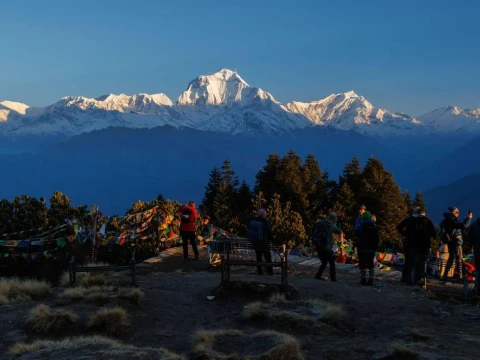
The Ghorepani Poon Hill Trek is one of Nepal’s most popular short trekking routes, offering breathtaking views of the Annapurna and Dhaulagiri mountain ranges. Starting from Nayapul, trekkers pass through traditional Gurung and Magar villages, terraced farmlands, and dense rhododendron forests before reaching Ghorepani and the famous Poon Hill viewpoint. The trek provides a perfect combination of cultural immersion, natural beauty, and moderate adventure, making it suitable for both beginners and experienced hikers.Along the trail, you will experience the vibrant local lifestyle, visit charming teahouses, and enjoy the tranquility of the Himalayan foothills. The highlight of the trek is the sunrise view from Poon Hill, where the snow-capped peaks glow in golden hues, creating a truly unforgettable moment. Across Nepal Holidays ensures a comfortable and memorable trekking experience by providing knowledgeable guides, reliable transportation, and well-planned itineraries.Scenic mountain vistas from Poon HillTraditional Gurung and Magar villagesLush rhododendron and oak forestsCultural experiences with local communitiesBest Season for Ghorepani Poon Hill TrekThe trek is ideal during autumn (September to November) and spring (March to May). During these months, the weather is stable, skies are clear, and the panoramic views of the Himalayas are at their best. Autumn offers a post-monsoon freshness, while spring is famous for blooming rhododendrons painting the forests in red, pink, and white colors.Winter months (December to February) are colder, with potential snowfall in higher altitudes, while the monsoon season (June to August) brings heavy rain, slippery trails, and obstructed views. Proper timing ensures not only safety but also the chance to witness the majestic sunrise from Poon Hill without clouds.Best Months:September – November (Autumn)March – May (Spring)Ghorepani Poon Hill Trekking Difficulty and TransportationThe trek is moderate in difficulty, suitable for beginners with basic fitness. It involves gradual ascents and descents, with the steepest climb to Poon Hill in the early morning. The average trek duration is 5–7 days, depending on pace.Transportation is convenient with private or tourist vehicles arranged by Across Nepal Holidays. You will typically drive from Pokhara to Nayapul to start the trek, and the return journey includes trekking back to Nayapul followed by a drive to Pokhara. The trails are well-marked, and local guides ensure safe navigation.Key Points:Moderate difficulty, suitable for beginnersDaily trek: 4–6 hours on averageTransportation: Private vehicle from Pokhara to NayapulReliable local guides providedFood and Accommodation for Ghorepani Poon Hill TrekAccommodation is primarily in teahouses and lodges along the trail, offering basic facilities such as beds, blankets, and shared bathrooms. Meals are locally prepared and include Dal Bhat (rice and lentils), noodles, soups, and momos. The food is hearty, filling, and suitable for trekkers to regain energy after long hikes.Across Nepal Holidays ensures comfortable and hygienic stays with options for vegetarian or non-vegetarian diets, warm rooms, and friendly hosts. Carrying a few snacks and water is recommended, but tea houses are available at regular intervals.Highlights:Comfortable teahouses along the routeLocal Nepali cuisine, including Dal Bhat and momosVegetarian and non-vegetarian optionsWarm and friendly lodge atmosphereGhorepani Poon Hill Trekking PermitsTrekking in the Annapurna region requires permits: the Annapurna Conservation Area Permit (ACAP) and the Trekkers’ Information Management System (TIMS) card. These permits ensure environmental protection, safety, and regulation of trekking activities.Across Nepal Holidays assists in obtaining all necessary permits before your trek, ensuring a hassle-free journey. Carrying a valid passport is mandatory for permit processing.Permits Required:Annapurna Conservation Area Permit (ACAP)TIMS Card (Trekkers’ Information Management System)Why Choose Ghorepani Poon Hill Trek with Across Nepal HolidaysAcross Nepal Holidays specializes in safe, comfortable, and culturally immersive trekking experiences in Nepal. Choosing them ensures professional guides, well-planned itineraries, and personalized service tailored to your preferences. Their team provides insight into local culture, flora, fauna, and Himalayan geography, enhancing the overall trekking experience.The company also prioritizes eco-friendly practices, supporting local communities and sustainable tourism, so your trek leaves a positive impact. With their attention to detail, you can focus on enjoying the spectacular sunrise at Poon Hill and the rich Himalayan landscapes without worrying about logistics.Reasons to Choose Across Nepal Holidays:Experienced and certified trekking guidesComfortable teahouse accommodationsHassle-free transportation and permitsFocus on sustainable and responsible tourism
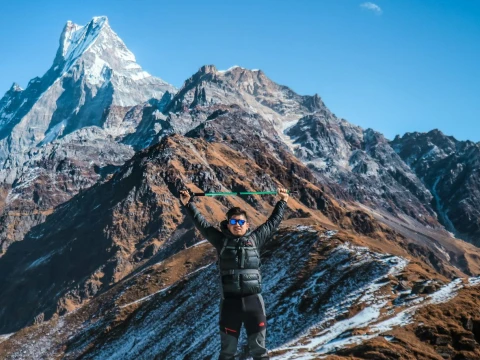
The Mardi Himal Trek is one of Nepal’s hidden gems, offering breathtaking views of the Annapurna Massif while remaining less crowded compared to the popular Annapurna Base Camp or Ghorepani Poon Hill treks. Starting from the vibrant city of Pokhara, the trail takes you through lush rhododendron forests, traditional Gurung and Magar villages, and serene landscapes that are rich in biodiversity. The highlight of this trek is the Mardi Himal Base Camp at 4,500 meters, where trekkers are rewarded with panoramic views of Annapurna South, Machapuchare (Fishtail), Himchuli, and Hiunchuli.This trek perfectly combines cultural immersion with natural beauty. Along the route, you will experience small mountain settlements, local farm terraces, and forests filled with oak, pine, and rhododendron trees. The trek is suitable for adventurous travelers seeking a quieter trail while still enjoying a classic Himalayan experience.Panoramic views of Annapurna South and MachapuchareLess crowded and peaceful trekking experienceVillages showcasing traditional Gurung and Magar culturesScenic forests and diverse flora and faunaBest Season for Mardi Himal TrekThe ideal time to trek Mardi Himal is during the spring (March to May) and autumn (September to November) seasons. In spring, the trail is adorned with blooming rhododendrons, vibrant wildflowers, and clear skies, while autumn offers crisp air, stable weather, and spectacular mountain views.Winter (December to February) can be challenging due to snow at higher altitudes, though lower sections remain accessible. Summer (June to August) is monsoon season, bringing heavy rainfall, slippery trails, and limited visibility. Choosing the right season ensures both safety and the best photographic opportunities.Season Summary:Spring: Rhododendron blooms, moderate temperature, clear viewsAutumn: Crisp air, stable weather, stunning landscapesWinter: Cold and snow at higher altitudesMonsoon: Heavy rain, slippery trails, less ideal for trekkingMardi Himal Trek Difficulty and TransportationThe Mardi Himal Trek is considered moderate in difficulty, suitable for fit beginners and experienced trekkers. The trail involves daily hiking of 4–6 hours, with some steep ascents, especially near High Camp and Mardi Himal Base Camp. Good physical fitness and stamina are recommended, but no technical climbing skills are needed.Transportation is straightforward with private vehicles or tourist buses connecting Kathmandu and Pokhara. From Pokhara, the trek begins with a drive to Kande, where the trailhead starts. Most sections are well-marked and supported by local teahouses, making navigation relatively easy.Points on Difficulty & Transport:Moderate trek, 4–6 hours of walking dailySteep ascents near High Camp and Base CampAccessible via road from Kathmandu to PokharaWell-marked trail with teahouse supportFood and Accommodation for Mardi Himal TrekFood on the Mardi Himal Trek is simple but hearty. Local teahouses along the trail provide Nepali staples like dal bhat (rice and lentils), noodles, soups, and momo dumplings. Western dishes like pasta, pizza, and sandwiches are also often available, although at higher prices at remote camps.Accommodation is primarily in teahouses and lodges, offering basic rooms with shared bathrooms and limited hot water. Staying in these lodges provides a chance to interact with local families and experience the warm Nepali hospitality. At higher camps like Forest Camp and High Camp, facilities are simpler, but the spectacular mountain views make up for any lack of luxury.Food & Accommodation Summary:Traditional Nepali meals (dal bhat, momo, soup)Western dishes available in main stopsLodge and teahouse accommodationSimple amenities, increasing comfort closer to PokharaMardi Himal Trek PermitsTrekking in the Mardi Himal region requires two essential permits: Annapurna Conservation Area Permit (ACAP) and Trekkers’ Information Management System (TIMS) card. These permits ensure that trekking is sustainable, preserves the environment, and supports local communities.Permits can be easily obtained in Kathmandu or Pokhara, either through trekking agencies like Across Nepal Holidays or at official offices. The fees contribute to conservation efforts and help maintain trails, lodges, and the natural beauty of the region.Permit Details:ACAP Permit: Required for Annapurna Conservation AreaTIMS Card: Trekkers’ registration for safety and trackingEasily obtained in Kathmandu or PokharaSupports local conservation and communitiesWhy Choose Mardi Himal Trek with Across Nepal HolidaysChoosing Across Nepal Holidays ensures a smooth, safe, and memorable trekking experience. The company provides experienced guides, porters, quality transportation, and well-planned itineraries, allowing trekkers to focus on enjoying the scenery and culture rather than logistics.Across Nepal Holidays also emphasizes sustainable tourism, supporting local communities along the route. Their guides are knowledgeable about flora, fauna, and local traditions, offering insights that enrich the journey. Personalized attention and flexible itineraries make this trek suitable for solo travelers, groups, and families alike.Reasons to Choose Across Nepal Holidays:Experienced and licensed trekking guidesFully organized transportation and logisticsSupport for sustainable and responsible tourismPersonalized trekking experiences
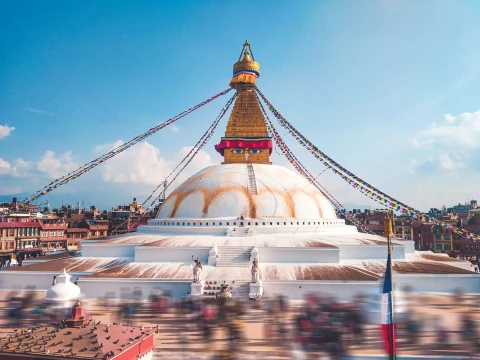
Nepal, the birthplace of Lord Buddha, is one of the most significant destinations for Buddhist pilgrims from around the world. This Buddhist Pilgrimage Tour in Nepal organized by Across Nepal Holidays is a thoughtfully curated journey that takes travelers through some of the most sacred Buddhist sites in Kathmandu, Pokhara, and Lumbini. The tour combines spiritual exploration with cultural immersion, allowing visitors to experience the serene ambiance of monasteries, stupas, and meditation centers that have existed for centuries.The journey begins in Kathmandu, where pilgrims visit Boudhanath Stupa, one of the largest and holiest stupas in Nepal, surrounded by vibrant monasteries and fluttering prayer flags. The nearby Kapan Monastery and other smaller monasteries at Boudha offer a serene environment to meditate and learn about Tibetan Buddhism. The iconic Swayambhunath Stupa, also known as the Monkey Temple, provides panoramic views of the Kathmandu Valley and a chance to witness ancient rituals and chanting monks. The tour then moves to Pokhara, a city renowned for its natural beauty, where pilgrims visit the World Peace Pagoda, Malepatan Gumba, and the Hyangja Tibetan Refugee Camp, offering spiritual insight and cultural interaction. The journey culminates in Lumbini, the birthplace of Lord Buddha, where pilgrims explore the sacred gardens, Ashokan Pillar, monastic zones, and the Maya Devi Temple.Visit Boudhanath, Swayambhunath, Kapan, and Malepatan monasteriesExperience meditation sessions and local ritualsExplore Lumbini, the birthplace of BuddhaScenic drive from Kathmandu to Pokhara and LumbiniBest Season for Buddhist Pilgrimage Tour in NepalThe best time for a Buddhist Pilgrimage Tour in Nepal is during the spring (March to May) and autumn (September to November) seasons. These periods offer clear skies, moderate temperatures, and lush landscapes, making travel comfortable and scenic. Spring brings blooming flowers and pleasant weather, perfect for sightseeing and exploring monasteries, while autumn offers festive vibes with colorful cultural celebrations and clear views of the Himalayan peaks from Kathmandu and Pokhara.Winter (December to February) can be cold, especially in Pokhara and Lumbini, while monsoon season (June to August) brings heavy rainfall, which may disrupt road travel between cities. However, if travelers enjoy a quieter, off-season experience, winter also offers serene meditation and spiritual reflection with fewer tourists at popular sites.Quick Season Guide:Spring (Mar–May): Ideal for clear skies and moderate weatherAutumn (Sep–Nov): Best for festivals, photography, and pleasant trekkingWinter (Dec–Feb): Cold but peaceful, less crowdedMonsoon (Jun–Aug): Risk of rain; lush green landscapesBuddhist Pilgrimage Tour in Nepal Difficulty and TransportationThe Buddhist Pilgrimage Tour in Nepal is moderately easy and suitable for travelers of all ages, including families and senior citizens. The tour mostly involves sightseeing, gentle walking, and short treks around monasteries and stupas rather than strenuous mountain trekking. Pilgrims should be prepared for walking on uneven stone paths, climbing stairs at stupas like Swayambhunath, and light hiking near pagodas in Pokhara.Transportation during the tour is managed by Across Nepal Holidays using comfortable private vehicles for transfers between Kathmandu, Pokhara, and Lumbini. Roads connecting these cities are generally well-maintained, though some rural areas may have bumpy stretches. Domestic flights are also an option for travelers wishing to reduce travel time between destinations.Transportation Highlights:Private vehicle transfers with driverOptional domestic flights for longer distancesShort walking and hiking at spiritual sitesEasy access to major monasteries and pilgrimage spotsFood and Accommodation for Buddhist Pilgrimage Tour in NepalAcross Nepal Holidays ensures that pilgrims enjoy comfortable stays with nutritious meals throughout the tour. Accommodation ranges from 3-star to 4-star hotels in Kathmandu, Pokhara, and Lumbini, often located close to pilgrimage sites for easy access. Many hotels provide amenities such as Wi-Fi, hot showers, and peaceful garden views, creating a relaxing environment after a day of sightseeing.Food on the tour includes a mix of Nepali, Tibetan, and continental cuisines, catering to both vegetarian and non-vegetarian travelers. Travelers can enjoy local delicacies like momo (dumplings), thukpa (noodle soup), and dal bhat (traditional lentil rice). The tour also allows time for pilgrims to partake in vegetarian meals offered at monasteries, providing an authentic spiritual experience.Food & Stay Highlights:Comfortable 3–4 star hotelsVegetarian and non-vegetarian optionsTibetan and Nepali traditional dishesPeaceful environment for relaxation and reflectionWhy Choose Buddhist Pilgrimage Tour in NepalChoosing Across Nepal Holidays for a Buddhist Pilgrimage Tour ensures a seamless, enriching experience for pilgrims seeking spiritual growth and cultural insight. The tour is carefully curated by experts familiar with Nepal’s sacred Buddhist sites, providing meaningful visits rather than rushed sightseeing. Experienced guides offer historical context, religious explanations, and opportunities for meditation, allowing pilgrims to connect deeply with the spiritual essence of each site.Moreover, Across Nepal Holidays focuses on comfort, safety, and convenience. From hotel accommodations to private transportation, every aspect of the tour is designed to provide a hassle-free journey. Beyond sightseeing, travelers gain an immersive experience through interactions with local monks, Tibetan refugee communities, and meditation sessions at monasteries. This tour is ideal for anyone seeking a blend of spiritual enlightenment, cultural exploration, and natural beauty.Reasons to Choose This Tour:Expert local guides for historical and spiritual insightsComfortable hotels and reliable transportationOpportunities for meditation and cultural exchangeWell-planned itinerary covering major Buddhist sites